Britain and Ireland, 1900 - 1985
Why did nationalism rise in Ireland before WW1?
The years before WW1 saw a rise in Irish nationalism, identity and culture. This led to increased questioning of Ireland's relationship with Britain.
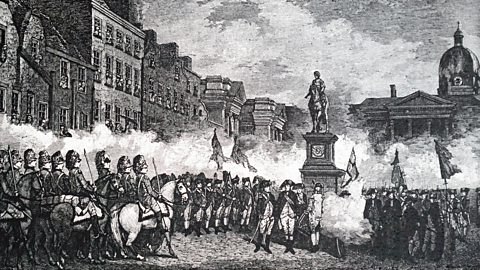
Ireland before WW1 and the push for Home Rule
The debate around Home Rule for Ireland divided politicians. For some, Home Rule was a perfect solution, but for others, nothing short of independence from Britain was acceptable.
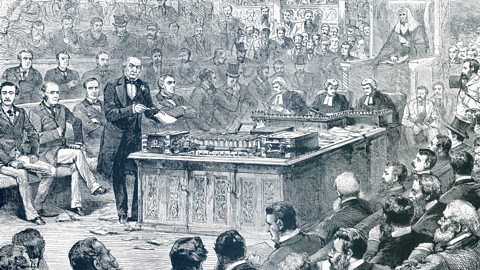
What was the impact of World War One on Ireland?
The outbreak of WW1 led to a dilemma for many in Ireland. Some volunteered to fight, while others refused and sought to press on with their plans for an Irish republic.
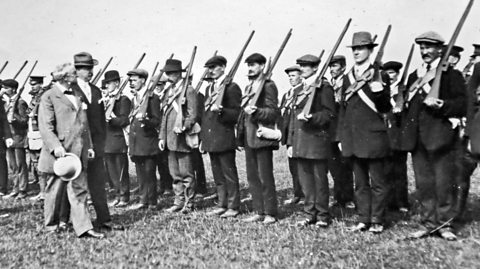
The Easter Rising, 1916
In 1916, armed Irish republican forces in Dublin led a rising against British control of Ireland. It became known as the Easter Rising.
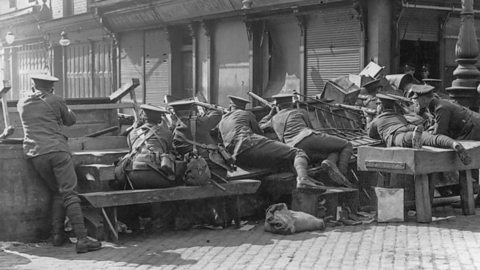
The decline of the IPP and the rise of Sinn Féin
During the years of WW1, the once dominant Irish Parliamentary Party saw a catastrophic decline in fortunes, while Sinn Féin became Ireland's most powerful political force.
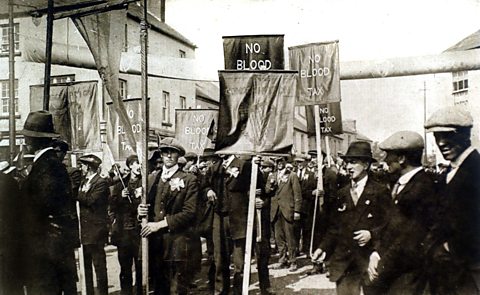
How did Irish attitudes change after World War One?
After success in the 1918 General Election for Sinn Féin, an independent Irish Free State was declared.
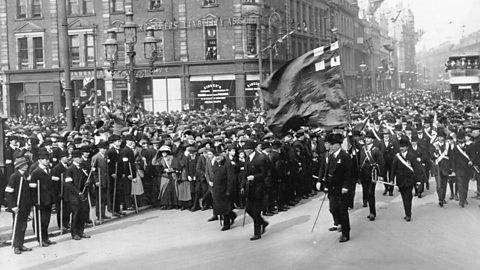
The Irish War of Independence, 1919 - 1921
Between 1919 and 1921, a state of war existed between the Irish Free State and Britain. The Anglo-Irish Treaty of 1921 resolved the conflict.
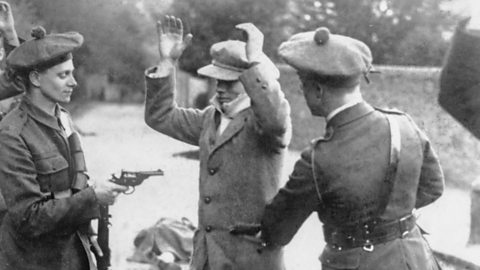
Reasons for the outbreak of the Irish Civil War in 1922
In 1922, divisions between the different republican groups led to armed revolt. The conflict became known as the Irish Civil War.
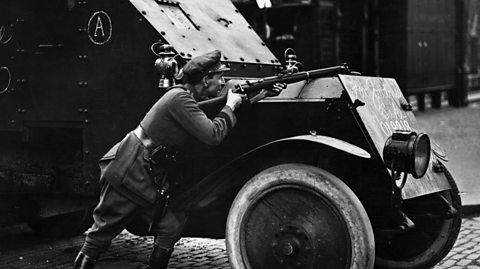
Roles of Irish republicans and the British Government
The British and Irish governments and key figures such as Michael Collins and Éamon de Valera played a key role in shaping Ireland 's political future during the 1920s.
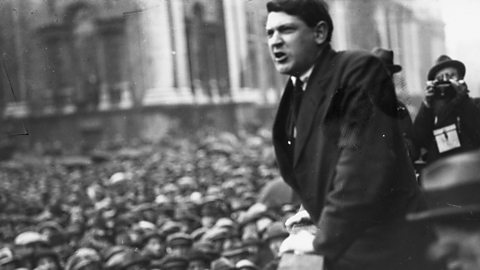
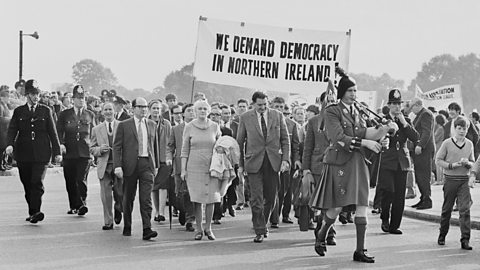
Reasons for developing crisis in Northern Ireland by 1968
By the late 1960s, social, political and economic inequalities between Catholics and Protestant communities in Northern Ireland was causing growing tensions.
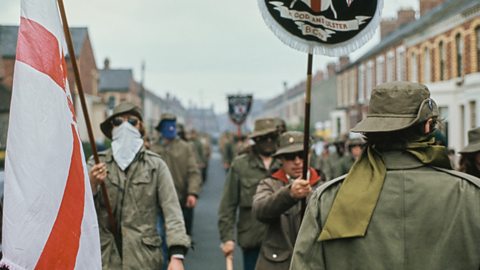
Northern Ireland: Sectarianism, segregation and paramilitaries
By the 1970s, Northern Ireland was marred by escalating violence by rival sectarian paramilitary groups. This period became known as The Troubles.
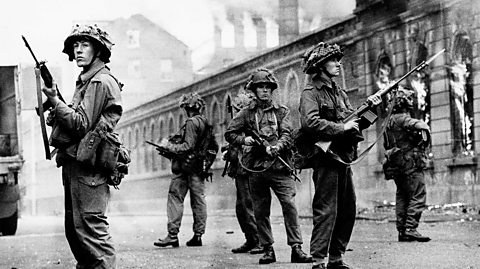
The role of the British Army in Northern Ireland
Originally welcomed as peacekeepers, the British Army went on to play a divisive role in Northern Ireland during The Troubles.
The roles of the British and Irish governments in Northern Ireland
The British and Irish governments both played a pivotal roles in the politics of Northern Ireland during the 1970s and 1980s.
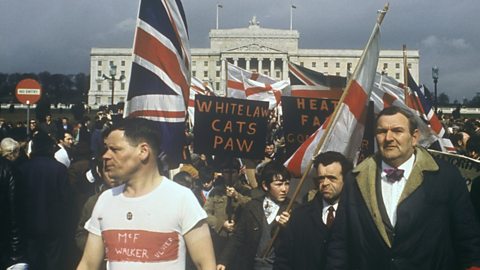
Video playlist
Tensions in Ireland before 1914. Video
What factors explain the rise in nationalism in Ireland before WW1?
What was the impact of WW1 on Ireland? Video
WW1 had a profound effect on the efforts to introduce Home Rule to Ireland
Obstacles to peace in Ireland, 1918 to 1921. Video
After the end of WW1, Britain and Ireland found themselves at war over who governed the country.
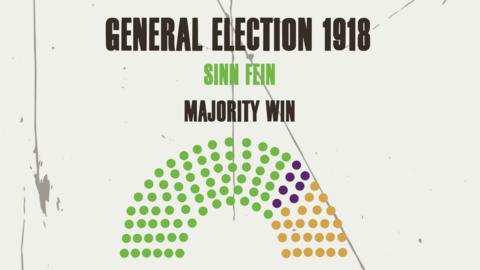
Reasons for the outbreak of the Irish Civil War. Video
In 1922, tensions in Ireland led to the Irish Civil War
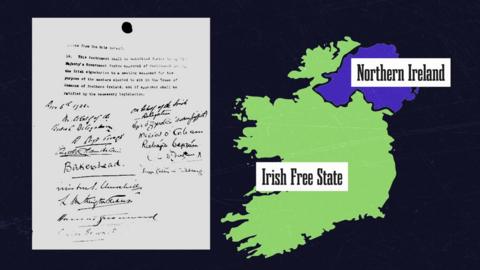
Reasons for the developing crisis in Northern Ireland up to 1968. Video
By 1968, social divisions and inequality in Northern Ireland were leading to conflict
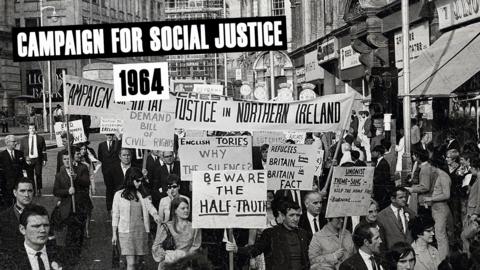
Obstacles to peace in Northern Ireland, 1968 to 1985. Video
Divisions between Protestants and Catholic communities in Northern Ireland made solutions hard
Links
- External linkExternal link
- External linkExternal link
- External linkExternal link
- External linkExternal link
