May 1916, the Western Front… When the Irish soldiers of the 8th Royal Munster Fusiliers looked across to the enemy German trenches, they saw a large sign written in English. It read -
“Heavy uproar in Ireland. English guns are firing on your wives and children, 1st May 1916“
It was the first that most of the troops had heard of the armed revolt taking place in Dublin - the ‘Easter Rising’.
When war was declared in 1914, 140,000 Irish men had enlisted in the British Army.
But different factions were signing up with very different hopes…
Before the war, Home Rule had been agreed upon, but postponed. It was a compromise - not full independence for Ireland, but a devolved Irish Parliament.
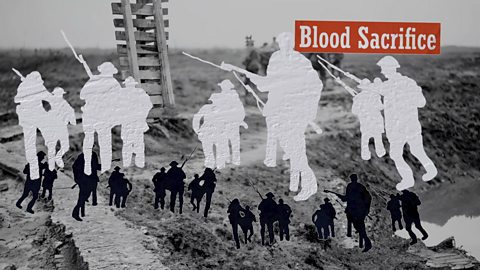
Unionists wanted to make sure that Ireland stayed fully British - and they believed their ‘blood sacrifice’ - fighting for Britain - would result in the idea of Home Rule being scrapped
But most Catholic Nationalists hoped the opposite – that their loyal service would mean the British government promise of Home Rule would have to be honoured.
Other Nationalists, though - those who demanded full independence - refused to fight for Britain. And as the war dragged on, popular support for their position grew.
Radical factions saw a chance - believing that “England’s difficulty is Ireland’s opportunity”.
In April 1916, they attacked.
James Connolly of the Irish Citizen Army, and Patrick Pearse of the Irish Republican Brotherhood led 1,500 volunteers, storming key buildings around Dublin.
They hoped that people across the country would rise up and join them.
On Easter Monday, Pearse stood on the steps of the Dublin General Post Office, and read a Proclamation of Irish independence.
Six days later, with fighting having raged across Dublin, the rebels were out of ammunition, fourteen thousand British reinforcements had arrived, and Pearse ordered his surviving men to surrender.
By the evening, he was in prison, along with all the other leaders of the rising.
Irish public opinion was firmly against them.
But what happened in the following months changed Ireland forever…
When the British imposed martial law, arrested thousands of Nationalists, trying them in secret, and had the leaders of the Rising executed – the public mood shifted.
When forced army conscription was introduced, in 1918, it was fiercely resisted.
“We deny the right of the British government or any other external authority to impose compulsory military service in Ireland against the expressed will of the Irish people.”
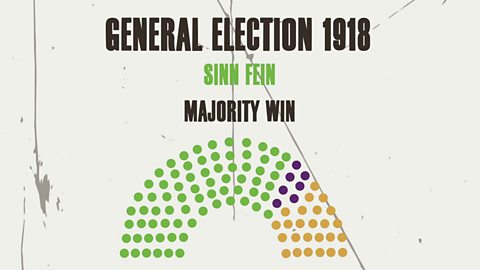
The nationalist Sinn Fein party stood in the 1918 general election on a platform of claiming full Irish independence. They won a convincing majority. Home Rule was now irrelevant – and the four years of war had changed everything.
Description
This film explores the issues around Home Rule for Ireland and the effects that the outbreak of WW1 had on the process and the people involved.
Now playing video 2 of 6