Where Europe still delivers value this summer

 Getty Images
From Latvia to the Balkan coast, these destinations offer the beauty, culture and atmosphere travellers want – without the price or crowds.
While Europe remains the default summer fantasy for many travellers, this year, getting there may feel less straightforward. Between overtourism, soaring airfares, the Iran war driving up fuel costs and the rollout of the EES system causing long queues and delays, the continent faces new headwinds for its busiest season. July flights from the US to Europe are already down more than 11% from the same period last year, including dramatic drops to the summer's most visited destinations like Paris, Dublin and Rome.
That does not mean travellers are giving up on Europe; instead, they are becoming more selective about what feels worth the money, the hassle and the crowds. According to Rome2Rio's 2026 Travel & Mobility Trends Report, traveller searches for smaller cities are up 35% globally. In March, the European Travel Commission also reported growing interest among long-haul travellers in going beyond the best-known capitals and seeing more local, less crowded experiences
"People still want the Italy or France feeling, but without the squeeze," said Bryce Collins, founder of INTRO Travel. "Croatia is a good example, especially if you step beyond Dubrovnik. Places like Korčula give you the same Venetian architecture and Adriatic coastline but slower pace and fewer crowds, so it feels familiar but not as hectic."
Classic Europe, without the classic costs
Beyond affordability, people are also looking for ease of movement and safety, especially as travel disruptions in the Middle East continue to put travellers on higher alert. "Rising costs and travel fatigue are steering Americans away from whirlwind, multi-stop trips and toward itineraries that minimise transit and maximise immersion," said Bryan Lewis, founder and CEO of Tenon Tours, which specialises in European travel. "They're choosing depth over distance."
 Getty Images
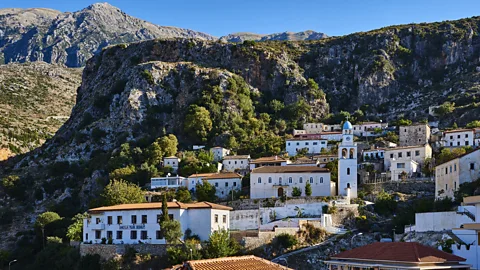
This explains why many smaller European countries are looking newly attractive. Albania, Latvia and Lithuania still have average short-term rental prices below €100 (£87) a night, according to PriceLabs, which collects publicly available data from Airbnb, Vrbo and Booking.com. Food, museum tickets and tourist taxes also tend to be lower than Western Europe's summer heavyweights.
Value snapshot: Slovenia
Central four-star room: €120-160 (£105-140; $140-187)
Dinner for two at a smart-casual restaurant: €50-70 (£43-60; $58-82)
Public transport ticket: €1.30 (£1.15; $1.53)
Museum entry: €8-13 (£7-11; $9-15)
Coffee and pastry: €5-8 (£4-7; $5-9)
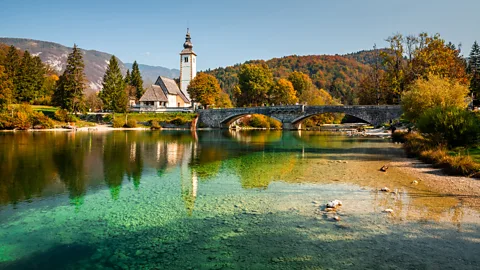
Slovenia might be this summer's best example of compact European charm. Its small size (it's roughly the same size as Wales) means most of its highlights are within just a few hours' drive, allowing travellers to fit in lake swims, wine tastings, city strolls and mountain views. Travel experts often compare its scenery to Switzerland and northern Italy, but without the costs and the crowds.
Savvy travellers have already caught on. Luxury operator Unforgettable Travel Company has seen a 286% year-on-year rise in bookings to Slovenia, especially among active travellers.
"Slovenia offers better value for accommodation, travel and expenses compared to more popular destinations; about 15% more affordable than Austria and 25% more affordable than Switzerland," said Charlotte Wells, the company's global director of product and operations. "For families, Slovenia is considered a safe and easily accessible destination, which means shorter travel times and more affordable prices."
 Getty Images
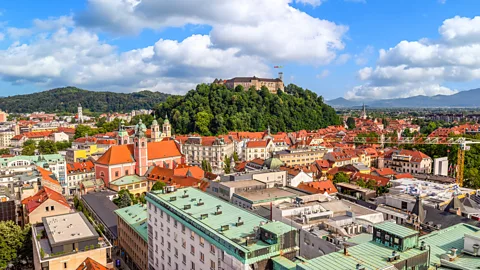
It's also within easy reach of neighbouring countries. "Convenient bus and train travel to nearby metropolitan locations like Zagreb and Vienna make Slovenia accessible and affordable," said Monya Mandich, vice president of marketing at Rome2Rio. She notes that its capital Ljubljana can feel like Venice with its river-lined old town, and the alpine lake scenery of Bohinj and Soča Valley in the Julian Alps or Lake Bled are more peaceful alternatives to Lake Como.
A city break with substance
Where Slovenia is about packing in outdoor activities against Alpine backdrops, a Latvian city break offers culture, character and a cooler climate – in short, the draw of the Nordics without the price tag.
Value snapshot: Latvia
Central four-star room: €70-100 (£60-90; $82-117)
Dinner for two at a smart-casual restaurant: €50-70 (£43-60; $58-72)
Public transport ticket: €1.50 (£1.30; $1.76)
Museum entry: €6-10 (£5-9; $7-11)
Coffee and pastry: €4-6 (£3.50-5; $4-7)
PriceLabs places Latvia's average August room night at €93 (£80; $109), compared with €186 (£160; $218) in Denmark. Cost-of-living data from Expatistan.com puts Riga, the country's capital, at 34% cheaper than Berlin, 50% cheaper than Oslo and 46% cheaper than Dublin.
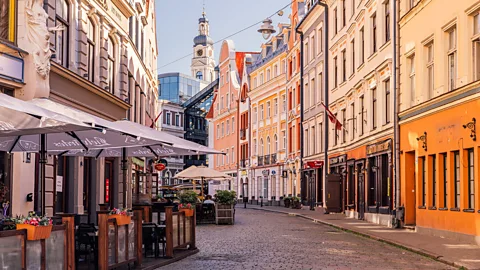
But it's not just the lower prices; visitors often come back raving about Riga's scenery as well. "Walking through the old town feels like stepping into a fairy tale, but without the crowds you'd find in Prague or Bruges," said Goedele Mangelaars, founder of trip planning platform Pink Notebook, after she visited Riga during the summer. She was equally struck by the food. "The price-to-quality ratio is unbeatable compared to Western Europe but the calibre of restaurants rivals anything you'd find in Copenhagen or Stockholm."
More like this:
Riga's fascinating past – with layers of Hanseatic, Art Nouveau and Soviet history – also gives travellers much more than a pretty old town to admire. "I'd highly recommend taking a guided stroll through the old town with its vivid [mercantile] history from its time as a Hanseatic port, and witness the varied cultural influences that have shaped its architecture and identity," said Veronika Romane, owner of travel firm and blog Aim To Discover, who is based in the Latvian town of Garkalne.
 Getty Images
Summer also brings one of the country's most distinctive cultural moments: Jāņi, Latvia's midsummer celebration in late June. "It's when the centuries-old pagan rituals take place, and nearly every Latvian gathers around a bonfire, celebrating the shortest night of the year with songs, rituals, fire and distinctly Latvian food," said Romane.
The uncrowded coastal escape
For beach travellers, some of Europe's best value this summer may lie along the Balkan coast. While overtourism has reshaped the Mediterranean holiday, this region still offers beautiful and less crowded stretches of shoreline.
Value snapshot: Montenegro
Central four-star room: €100-140 (£90-120; $117-164)
Dinner for two at a smart-casual restaurant: €40-60 (£35-50; $46-70)
Regional bus: €2.50 (£2.20; $2.93)
Museum entry: €5-10 (£4.50-9; $5-11)
Coffee and pastry: €3-5 (£2.50-4.50; $3.50-6)
"Across the Balkans, destinations like Albania and Montenegro stretch budgets further while still delivering the coastline, culture and food experiences sought after in European travel," said Collins.
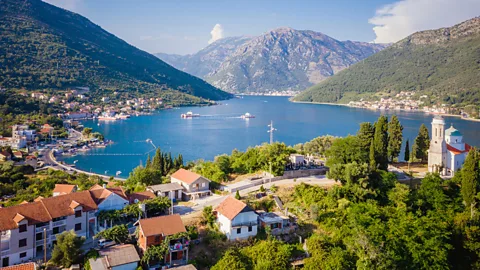
The two countries share a land border, but each have their own distinct vibe. Montenegro has a more polished infrastructure, which may suit travellers who enjoy convenience as well as beautiful scenery. "In the Kotor region of Montenegro, the water there is the cleanest I've ever seen in my life, crystal clear in a way that makes the Greek islands look murky by comparison," said Mangelaars. "The food scene is exceptional, and while it's getting slightly more popular now, it still feels wonderfully hidden."
Albania is rougher around the edges, but often significantly cheaper than its Eastern European counterparts. Also, "unlike their Adriatic neighbours of Croatia and Montenegro, Albania has real sandy beaches", said David Mason, owner of Three Week Traveller. He also points to its well-preserved Roman ruins and hiking routes around Lake Shkoder. "You can enjoy multi-day horseback trails here, which give you a sense of the country's true wilderness."
 Getty Images
The savings are substantial: a typical night in Albania, at €89 (£77; $104), comes in well below the cost of a room in Croatia at €212 (£184; $248); while Montenegro, at €127 (£110; $149), still undercuts many of the Adriatic's better-known hotspots.
Value snapshot: Albania
Central four-star room: €60-110 (£50-95; $70-129; $29-46)
Dinner for two at a smart-casual restaurant: €25-40 (£22-35)
Public transport ticket: €1 (£0.90; $1.17)
Museum entry: €5-10 (£4.30-9; $5-11)
Coffee and pastry: €1.50-3 (£1.30-2.60; $1.76-3.52)
For travellers who still want a Mediterranean summer – swims, seafood, old towns, long evenings outdoors – but are less willing to pay premium prices for crowded coastlines, both countries make a strong case.
While slightly less convenient than in the previous years, a European summer holiday in 2026 isn't out of reach, By expanding the map of options, travellers are finding new favourite alternatives to the classics, each offering a strong value for the money without sacrificing the hallmarks of a classic European holiday.
--
If you liked this story, sign up for The Essential List newsletter – a handpicked selection of features, videos and can't-miss news, delivered to your inbox twice a week.
