Winds return shingle to storm-battered beach

 Seabreeze Cottage
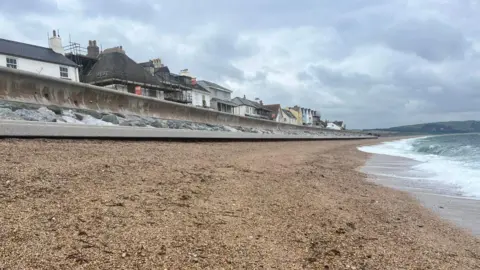
Shingle has returned to a beach in Devon after it was battered by storms.
Parts of the A379 between Torcross and Slapton broke apart in February after sea defences protecting the road were damaged in January storms.
Homes and businesses were also damaged. Matt Searle, who lives right next to the A379 in Torcross, previously said his house "shakes quite violently" during the storms.
Gerd Masselink, professor of coastal geomorphology at Plymouth University, said shingle had returned following easterly winds. He said the presence of shingle would help as "the beach will take the power out of the waves... The waves won't slam directly into the seawall".
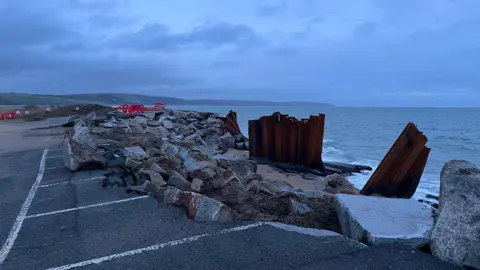
Masselink said the loss of shingle had happened in the past, adding "beach levels go up and down".
"There's been a progressive loss of shingle in front of Torcross and that's not going to stop now," he said.
The professor said installing a groyne, which would act as a retaining wall, would help keep shingle in the area.
"There are groynes all over the UK, designed with the express purpose to keep sand or shingle contained and keep it in front of their sea wall."
However, he warned such structures could cost millions of pounds.
Follow BBC Devon on X, Facebook and Instagram. Send your story ideas to spotlight@bbc.co.uk.
