Fuel price hike hitting work of charities

 BBC
BBCGlobal fuel prices have put pressure on South West charities that rely on vehicles to operate, with fears some services may not run.
The cost of fuel has seen sharp increases globally since the US and Israel launched wide-ranging strikes on Iran on 28 February.
Cornwall Heritage Trust provides transport grants to primary schools so children can visit historic landmarks. But it said the cost of fuel was limiting the miles it could pay for.
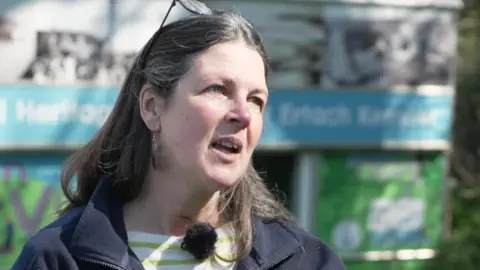
The trust's education and outreach manager, Caroline Davey, said visits to "amazing sites" such as Pendennis Castle "just won't happen" if fuel prices continued to soar.

The average price of petrol is up 25p a litre since the start of the war, while diesel has risen by 48p.
Both are at their most expensive level in more than three years.
"It is definitely the reality that with rising costs, it means the average ask is increasing and our funds aren't increasing unfortunately," Davey added.
"The bottom line is those trips possibly won't run with the support we are able to offer."
Davey said the grants had allowed more than 25,000 pupils see historical landmarks which some of them might have never visited.
"It's wonderful to be able to have a sense of place and connect yourself with where you live, the uniqueness of our Cornish heritage," she said.
"I think sadly these amazing sites won't be accessible to the young people and those visits and trips just won't happen.
"That's really sad because these experiences are so valuable and important."
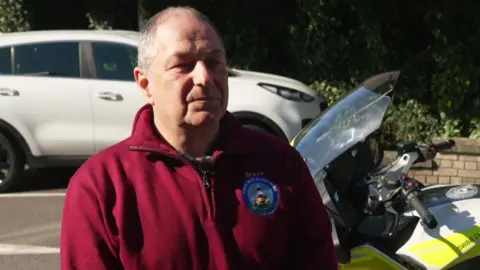
Devon-based charity South West Blood Bikes covered about 250,000 miles (402,000km) last year, delivering medial supplies free of charge for the NHS.
The charity is made up of a team of 116 unpaid volunteers and does not charge the NHS for any of its work.
Charity chair Steve Dower said thousands of pounds would be added to fuel bills if the cost of petrol remained high and the organisation was "watching it carefully".
He said: "It's incumbent on us to ensure the charity remains sustainable. Clearly the additional cost is a significant risk to us.
"If we were not available or didn't exist, the NHS would have to revert back to using couriers or taxis to move consignments and, of course, they would have to pay for that service."
