Hosepipe ban likely after record demand, warns Welsh Water

 EPA
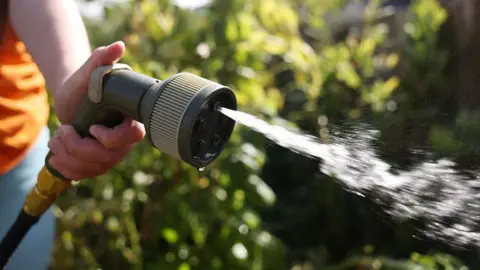
EPAA hosepipe ban is likely to be introduced to around 33,000 properties in parts of Wales this weekend, as record demand for water continues.
Welsh Water has warned that mid and south Ceredigion, along with parts of north Pembrokeshire and north Carmarthenshire could have restrictions.
It comes as prolonged hot, dry weather has driven demand for drinking water to unprecedented levels, with around one billion litres of water being put into supply every day during the past week.
Natural Resources Wales (NRW) have also confirmed that parts of the country was showing signs of strain because of the record-breaking heatwaves, and the worst affected areas would move to "prolonged dry weather status".
Welsh Water said demand had risen 20% more than would normally be expected at this time of year, and a final decision will be made on temporary restrictions later this week.
The affected areas include Llanon, Llangwyryfon and Cwm Ystwyth in Ceredigion, across to Crymych, Llanfyrnach and Nevern in north Pembrokeshire.
Parts of north Carmarthenshire are also expected to be impacted, including Farmers, Pencader and Hermon.
Welsh Water said "unless demand reduces significantly over the next few days, there would be no option but to introduce temporary hosepipe restrictions".
It added that restrictions would be lifted as soon as weather conditions improve and local storage returns to more normal levels.
Unlike the short-lived peaks usually experienced during warm weather, Welsh Water said demand had remained exceptionally high throughout the day and into the evening for several weeks.
The sustained demand was placing increasing pressure on the local water supply network.
As holiday makers and visitors descend to the areas for the summer holiday season, further pressure to the local network is expected.
Welsh Water added that resources and reservoir levels remained high but the challenge was producing, treating, storing and moving enough drinking water through the network quickly enough to meet the exceptional level of demand.
Kit Wilson, Welsh Water's Chief Customer Officer, said it was not a decision they wanted to take but they were acting in the interests of all our customers.
"Over the past week we have been putting around one billion litres of drinking water into supply every day - around 20% more than we would normally expect at this time of year," he added.
He added that they were "now reaching the point where, unless demand reduces significantly over the next few days, we are likely to have no option but to introduce temporary hosepipe restrictions".
"There is still an opportunity to avoid these restrictions if everyone plays their part by reducing non-essential water use now."
 Getty Images
NRW said the extended periods of hot and dry weather and a lack of significant rainfall was taking its toll on rivers, lakes, wildlife and habitats.
Prolonged dry weather is a natural event which has become more likely as climate change accelerates.
It is the first step in NRW's Drought Plan for drought status, and occurs when rainfall is lower than expected for a sustained period of time resulting in low river, reservoir and groundwater levels as well as the drying up of land and soils.
NRW said Wales had only received 5% of the expected rainfall for July, and the intensity of the current weather meant that without notable and sustained rainfall in the coming weeks, catchments could quickly deteriorate further.
The areas affected by the change to prolonged dry weather status include:
- Gwynedd including Ynys Mon
- Dee
- Clwyd
- Upper Severn
- Wye
- Usk
- Valleys and Vale of Glamorgan
Rhian Thomas, Sustainable Water and Nature Manager at NRW said: "The move to prolonged dry weather status follows another record-breaking spring/summer last year, which saw drought declared for the majority of Wales.
"We expect these extreme weather patterns to become more frequent as our climate changes - with wetter winters and drier summers becoming the norm.
"We support water company messages to customers to continue to use water wisely."
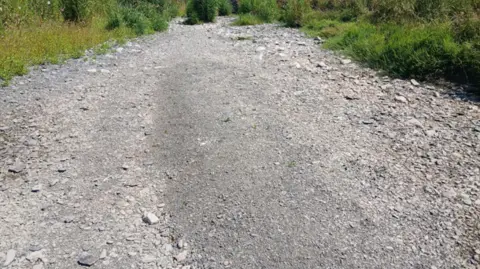
NRW teams also reported exceptionally low river flows in some stretches in north and south east Wales, as well as groundwater levels regressing.
 Natural Resources Wales
What can people do to help reduce demand?
Customers are being encouraged to:
- Avoid using hosepipes wherever possible
- Delay washing cars, patios and driveways
- Water gardens with a watering can instead of a hose
- Take shorter showers
- Turn off taps while brushing teeth or shaving
- Only use washing machines and dishwashers with full loads
- Fix dripping taps where possible
Welsh Water said it would continue to monitor demand and weather conditions closely, and a final decision on whether to introduce temporary restrictions would be made later this week.
