Birdwatch records a rise in goldfinch numbers

 Ben Andrew
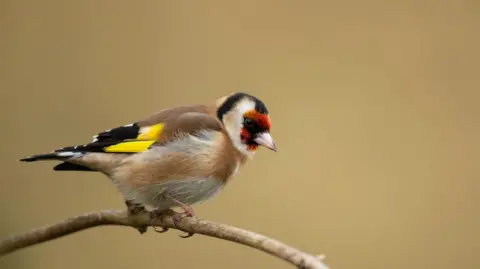
Goldfinch numbers have increased in Isles of Scilly gardens in one of the biggest upwards swings for any species in England, according to the results of the RSPB's latest Big Garden Birdwatch.
The colourful garden bird, with a distinctive red face, rose by seven places on the islands, reaching fourth place in January's survey.
In Devon, the house sparrow, blue tit and woodpigeon topped the list of sightings, while the house sparrow, blue tit and starling were the most common in Cornwall.
More than 24,000 people across Devon and Cornwall took part in the survey, showing strong support for the world's garden wildlife count.
 Ben Andrew
The survey also showed familiar species including the blackbird and starling remained among the most commonly seen birds in the UK.
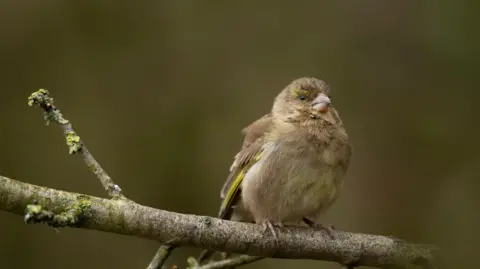
However, conservationists said there were ongoing concerns further down the rankings, particularly for species such as the greenfinch.
Numbers have fallen by about 67% since 1979, largely due to a disease called trichomonosis which spreads more easily when birds gather at feeders.
The species was placed on the UK's Red List, with more than two million birds lost since the mid-1990s.
The RSPB said feeding birds remained beneficial but encouraged people to make seasonal changes, including reducing the use of seed feeders between May and October.
It also recommended people clean their feeders weekly and only offer water if it can be changed every day.
Chief executive Beccy Speight said: "We're not asking people to stop feeding, just to feed in a way that protects birds' long-term health.
"By making small changes together, we can ensure garden feeding continues to be a positive force for nature."
