TfL joins drive to reduce staff sickness rates

 Getty Images
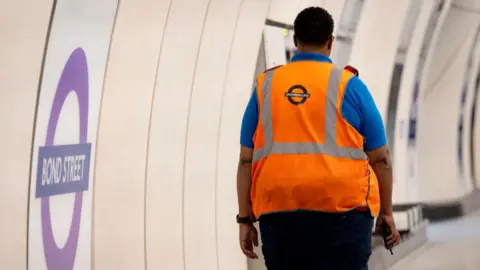
Transport for London (TfL) is stepping up efforts to cut employee absence as part of a government drive to keep people in work.
The transport authority has joined the Keep Britain Working Review - with mental health support being flagged as a key focus at TfL.
A report from 2025 found the transport body's overall sickness rate stood at 6.3%, accounting for almost 418,885 sick days. The figures also showed 6.6 million planned days off, which cover medical leave arranged in advance.
Dr Sam Phillips, TfL's head of health and wellbeing, said there was a "fine balance" between improving absence rates "but not at the cost of people feeling that they're coming to work when they shouldn't be".
Long‑term sickness made up the majority of days lost at TfL, with 286,673 days recorded. The average length of all sickness leave was 11.81 days.
The transport body says it is already taking action to support staff, including offering physiotherapy, addiction services and trauma‑focused counselling.
Phillips told the Local Democracy Reporting Service there was a balance to be struck.
"Sick days are costing the whole of the UK a lot of money, and that's one of the reasons we're involved in the prevention sprint, to look at ways to try and stop people from becoming ill in the first place.
"There is also another side to sickness absence, which is presenteeism.
"In organisations where you have very low sickness absence you may have high presenteeism where people are actually at work when they shouldn't be and they're unwell," she said.
 Widnell William/DWP
Mental health was the leading cause of long‑term absence among TfL staff in 2025, accounting for 30% of cases.
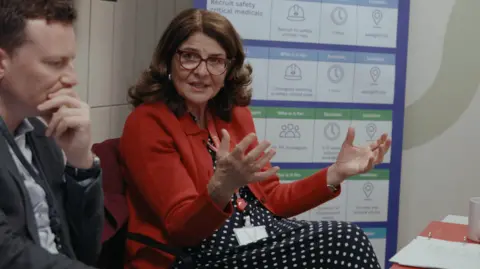
Minister for Employment, Dame Diana Johnson, said: "I've been hearing about some of the programmes that TfL have around volunteer members of staff, helping other members of the staff who have perhaps experienced trauma in the workplace, providing support and help at the right level, and if people need something more professional they are referred on."
Listen to the best of BBC Radio London on Sounds and follow BBC London on Facebook, X and Instagram. Send your story ideas to hello.bbclondon@bbc.co.uk
