Restoration project to release millions of oysters in Orkney

 BBC
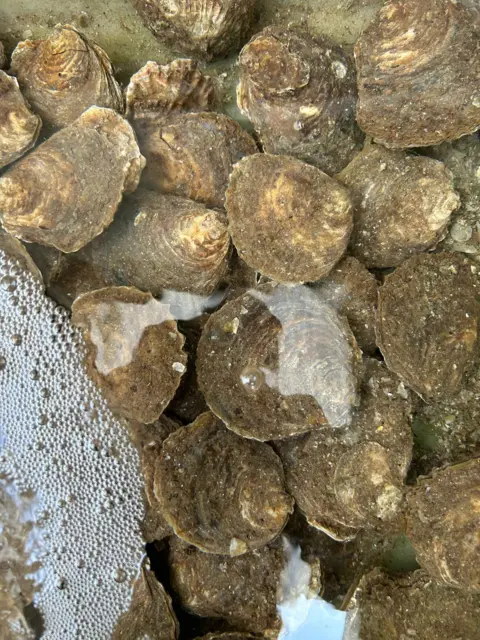
BBCMore than 15 million juvenile oysters are to be released in Orkney, in what has been described as one of the biggest ever marine restoration projects in UK waters.
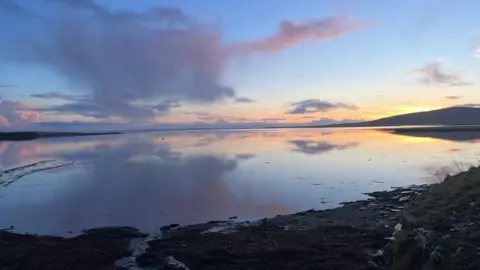
North Bay Innovations (NBI) is behind the project, which will try to reintroduce oysters to the Bay Of Firth - an area where there used to be a significant population before they were overfished.
It is hoped that restoring the population will help support marine life, improve water quality and even capture carbon.
If permissions and licences are obtained those behind it hope that the first oysters could be released in spring 2027.
The project - which is being funded by the Green Britain Foundation, the Nature Restoration Fund, Marine Fund Scotland and NBI - could provide a template to revive beds in other areas.
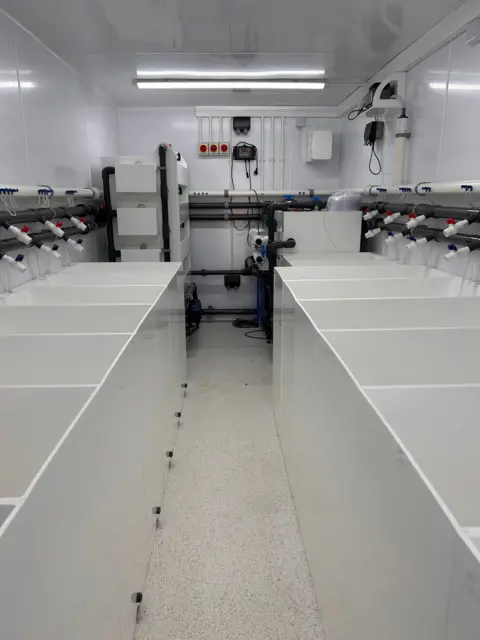
The oysters will initially be reared in a specially designed "module" hatchery, which is within a mobile container.
Brood stock - which the oysters will be bred from - have been sourced from other parts of Scotland and certified as being disease free.
They are now in Orkney and are being quarantined.
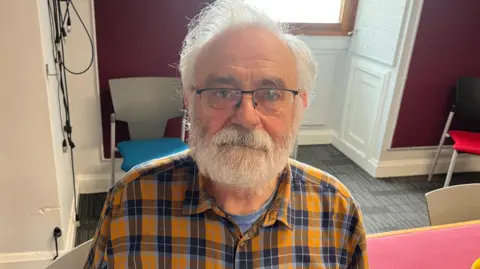
NBI's Dennis Gowland said: "We want to ensure that as many as can survive towards the end of the first year, whether that be 10%, 15%, 20%, we don't know, it is a numbers game.
"The idea is to put as many down on the seabed as possible that are fit - a bit bigger - to avoid easy predation, so that there is as big a chance as possible surviving."
 North Bay Innovations
Oysters filter up to 200 litres of water per day.
Those behind the project said that there was good scientific evidence to suggest that their presence would restore the ecosystem and encourage a range of invertebrates, fish and birds back to the area.
They can also help with carbon sequestration.
Gowland said that although it appeared to be a modest amount, if more beds were reintroduced it could add up.
"It's not like a carbon capture programme where you put a huge amount of energy in to capture carbon by the thousands of tonnes - this is a much slower process," he said.
"In the full life history of the oyster it works out as 5 grams per adult, per year, so it's not a lot but if you've got various beds around the country - billions of oysters - then that suddenly makes thousands of tonnes of CO2."
The long-term aim is for the project to be managed by a community group.
It is one of several projects of this type taking place around the United Kingdom.
 North Bay Innvoations