Thames Water grateful as use falls after hosepipe ban

 Getty Images
Thames Water has said it is "grateful" to residents after household water demand across its region fell by 6% following the introduction of a hosepipe ban.
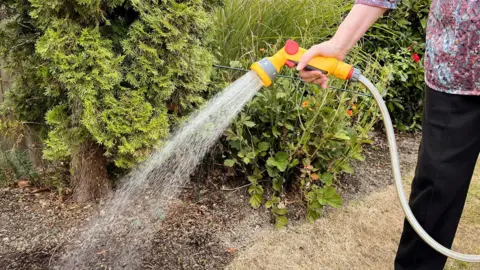
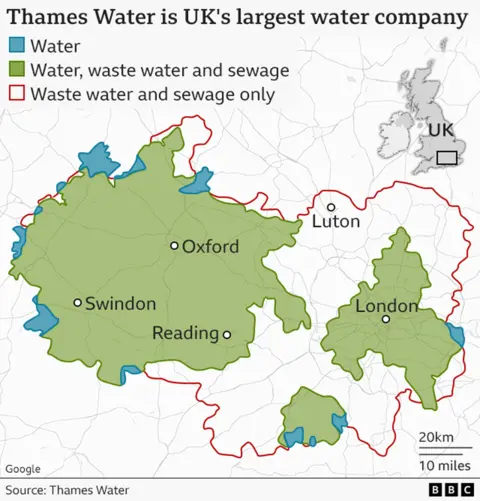
The ban, which came into force on 23 July, affects the company's 10.1 million customers and means hosepipes should not be used to water gardens, clean cars, fill paddling pools or swimming pools, or clean windows.
The company's water director Martin Padley said demand in the Thames Valley remained high and that customers should "continue using only what they need".
Demand has fallen about 3% across London, while exceptionally dry ground conditions have increased pressure on buried pipes, the company said.
 Getty Images
"The action customers are taking is making a real difference, helping to protect supplies for homes, businesses, local wildlife and the environment," Padley added.
"Small changes, such as taking shorter showers, turning off taps and avoiding non-essential water use outdoors, all help reduce pressure on our network while our teams continue working around the clock to find and fix leaks."
Since March, rainfall has been about 40% of the long-term average and Thames Water said in July, customers used about 100 million litres of water more than normal.
It said that added further pressure to rivers, reservoirs and the water network.
Hosepipes and pressure washers should not be used to:
- Water gardens, lawns, or allotments (this includes the use of sprinklers)
- Fill paddling pools, swimming pools, or hot tubs
- Clean vehicles, patios, paths, driveways, walls, windows, or any outdoor areas
Some exemptions may include:
- Wastewater only customers
- Health and safety needs
- Animal welfare, including pets, livestock, and fish
- Watering food crops and certain newly planted trees
- Customers who cannot reasonably adjust their water use because of a disability or medical condition
A full list and more details can be found on Thames Water's website
The utility company owes roughly £20bn and has been working with creditors and government officials to find a way forward.
Failure to reach a deal could lead to Thames Water being forced into a "special administration regime", a form of temporary nationalisation intended to keep the business operating until a viable solution can be found.
This would see government-appointed officials temporarily running the company – including funding its operations and upgrading infrastructure, as well as dealing with any outstanding debts following a restructuring of the business.
If the company was subsequently sold to a private buyer, the government would be able to recoup some taxpayer cash.
