Fears for rivers as flows 'exceptionally low'

 N Chadwick/Geograph
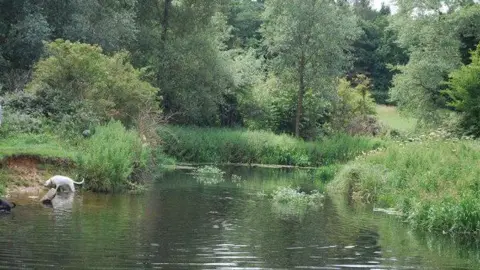
Five rivers have been recorded as having "exceptionally low" levels, sparking concern for wildlife and the future health of these habitats.
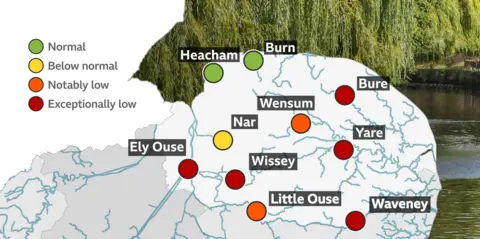
A recent Environment Agency report found the rivers Yare, Bure, Wissey, Ely Ouse, Waveney and Wissey, which flow through parts of Norfolk, Suffolk and Cambridgeshire, were all at "exceptionally low" levels.
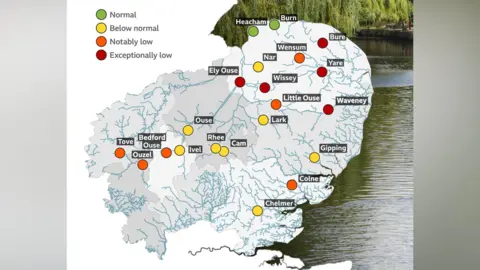
Only two waterways in East Anglia - the Heacham and Burn in west Norfolk - have normal flows following a period of prolonged dry weather.
The findings come as new research from the University of East Anglia (UEA) warns climate change could push UK rivers to dangerous extremes and be vulnerable to "hydroclimatic whiplash".
 Kelly Robinson
'Exceptionally low rivers'
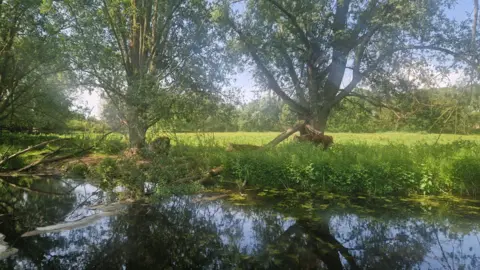
All but two rivers in East Anglia were recorded as having normal river flow levels in May.
Eight were found to be below normal, six were "notably low" and five were "exceptionally low" according to Environment Agency monitoring.
"Exceptionally low" levels were recorded at five sites in Norfolk along the rivers Yare, Bure, Wissey, Ely Ouse and Waveney.
Nationally, just over half of the main indicator sites – key rivers analysed in a monthly country-wide report - were classed as below normal for the time of year.
Three were classed as "exceptionally low", two of which are in Norfolk - the River Yare at Colney and the Ely Ouse in Denver.
The findings come as the region is in the midst of an amber heat warning, with temperatures expected to reach 40C in some areas.
The Met Office is also predicting an increased chance of heatwave conditions cased by a weather phenomenon known as El Niño - a natural Pacific weather pattern that pushes up global temperatures.
While dry weather can affect river levels, over-abstraction can also have a detrimental effect.
How do low flows affect river health?
Dr Sarah Eglington, policy and campaigns officer for Norfolk Wildlife Trust, said the latest EA figures were a "stark reminder that Norfolk's rivers are under increasing pressure".
"Low river levels are not simply a symptom of dry weather – they can have serious consequences for the health of our rivers and the wildlife that depends on them," she added.
"When river flows are exceptionally low, there is less water to dilute pollution, water temperatures rise and oxygen levels fall.
"This creates difficult conditions for fish, water voles, otters and many of the insects and plants that form the foundation of healthy river ecosystems.
"Low flows can also disconnect wetlands and backwaters from the main river, reducing important breeding and feeding habitats for wildlife."
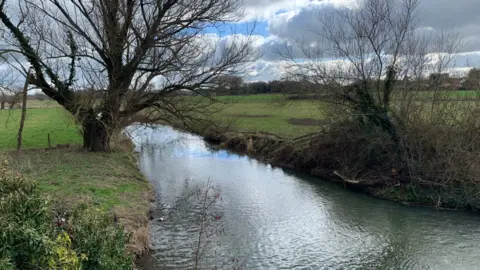
The Broads Authority (BA) said it supports the Environment Agency in monitoring water levels in the Broads.
A spokesman said: "Sufficient water levels are important not only for navigation purposes but also to support the rich ecology and habitats of the Broads waterways.
"Due to the geography of the area, and the fact that the Broads is a tidal river system, it is very susceptible to swings in water levels due to atmospheric conditions, precipitation and the tides themselves."
The BA said boaters concerned about low water levels should speak to the authority, which is responsible for dredging the waterways to ensure sufficient depths for navigation.
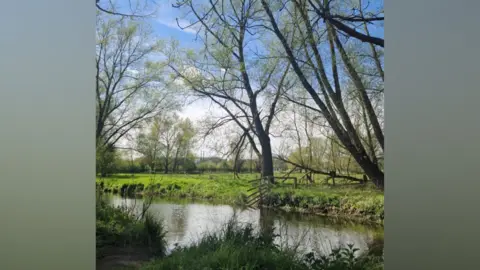 Kelly Robinson
What is river 'whiplash'?
A new study by the UEA's Tyndall Centre for Climate Change Research has found rivers in the east are likely to face persistent low flows and more droughts due to rising global temperatures.
The findings, published in the journal Earth's Future, are based on analysis of nearly 700 river catchments in the UK to project how river flows may change at 2°C and 4°C of global warming.
The experts predict climate change could push UK rivers to "dangerous extremes" and rapid swings between wet and dry conditions - a phenomenon known as "hydroclimatic whiplash".
Dr Yi He, the lead author, said: "For Norfolk, this matters because low river flows already place pressure on freshwater habitats, water supply, agriculture and river health.
"If intense rainfall follows a dry period, it may not simply "solve" the problem. It can also lead to rapid runoff, erosion, and poorer water quality as sediment, nutrients and pollutants are washed into rivers.
"The reverse is also challenging: after wet conditions, a rapid shift back to dry weather can give water managers, farmers and ecosystems very little time to adjust.
"Future planning is needed to consider water supply, drought resilience, river health, water quality and flood risk together, rather than treating them as separate issues."
Do you have a story suggestion for Norfolk? Contact us below.
Follow Norfolk news on BBC Sounds, Facebook, Instagram and X.
