All you need to know about local elections in Hull
 BBC
BBCPeople across Hull will have the chance to vote in council elections on 7 May.
The elections are to decide which party should be in charge of running public services across the city.
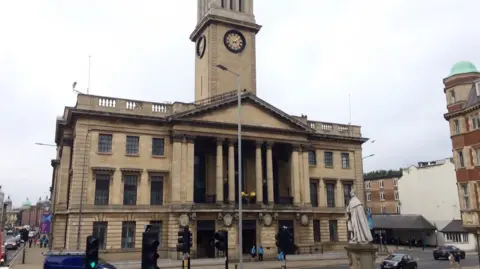
Hull goes to the polls on a more regular basis than many other areas – in three years out of every four - to elect one third of councillors who sit at the Guildhall.
Nineteen of the 57 seats will be up for grabs this year.
Why are elections taking place?
Hull City Council serves a population of more than 275,000 people.
The authority is responsible for a range of services including roads, parking, leisure, planning, as well as bin collections and recycling.
Councillors decide how local taxpayers' money should be spent and which areas should be prioritised.
Who is currently in charge?
The Liberal Democrats have controlled Hull City Council since 2022, following more than a decade of Labour rule.
Lib Dem councillor Mike Ross is the leader of the authority.
Labour are the second largest party and form the opposition group in the council chamber.
In recent years, local elections in Hull have been seen as a two-horse race between Labour and the Liberal Dems.
What could change?
Hull City Council elects its councillors in "thirds", there is less chance of seismic change compared with authorities that hold "all-out" elections.
However, we could see some new faces representing different parties on the council after 7 May.
Reform UK leader Nigel Farage recently held a rally in Hull and stated his aim of winning seats across the city. The party won the inaugural Hull and East Yorkshire mayoral race in May 2025.
The Green Party is hopeful of making progress and is fielding candidates in every ward holding elections in Hull.
Labour MP Emma Hardy urged voters to reject "divisive politics" and said her party would "bring people together".
Lib Dem leader Sir Ed Davey has also campaigned in the city to try shore up support for his party.
When will we know the results?
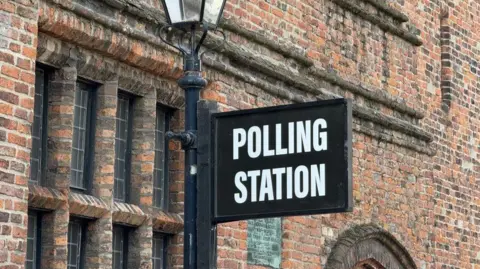
Polling stations will be open between 07:00 and 22:00 BST on 7 May.
Ings and Kingswood are the only two wards where voters will not go to the polls. These areas have only two councillors, rather than three, so electors here head to the polling stations twice in every four year period.
The results could be declared in the early hours of the following day after all votes are counted overnight.

Listen to highlights fromHull and East Yorkshire on BBC Sounds, watch the latest episode of Look North.
Download the BBC News app from the App Storefor iPhone and iPad orGoogle Play for Android devices
