Investigation into IVF clinics in northern Cyprus after UK families given wrong sperm

 Keith Bridle/ BBC
The government in northern Cyprus has said it is launching an investigation after several British families told the BBC they believed they were given the wrong sperm or egg donors during their IVF procedures at local fertility clinics.
The Ministry of Health in the Turkish-occupied territory said their cases had been "taken into serious consideration" and they were investigating whether clinics had breached "laws and regulation".
The public will be informed of its findings, it added.
Northern Cyprus has become one of the most popular destinations for British nationals seeking fertility treatment abroad, experts say.
The privately-run clinics promise low prices, high success rates and a sunny holiday.
European Union laws do not apply, but it does have its own fertility legislation and its Ministry of Health oversees clinics.
However, unlike the UK, there is no independent fertility regulator upholding standards.
- Have you been affected by the issues raised in this story? Contact the BBC at: fertilityinvestigation@bbc.co.uk
The government announcement has come 48 hours after a BBC investigation revealed the parents of seven children believed the wrong sperm or egg donors were used during their fertility treatments at several clinics in northern Cyprus.
Most of the families have completed commercial DNA tests which appeared to confirm their fears.
One of those families discovered their two children were not biologically related after doing an accredited test, which can be used in UK courts.
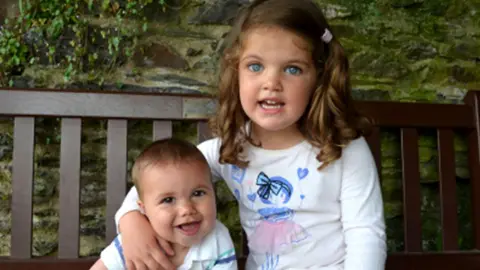
Same-sex couple, Beth and Laura, were each the biological mother to one of their children and had asked their clinic, Dogus IVF Centre, to make sure the same donor was always used to ensure the children, James and Kate, were blood relatives.
They had carefully selected a donor who had undergone extensive health and psychological screenings.
However, genetics expert Prof Denise Syndercombe Court of King's College London, concluded it was unlikely either child was related to the family's requested donor and confirmed that the two children came from different sperm donors.
Beth and Laura's doctor at the time, Dr Firdevs Uguz Tip, denies any responsibility, and Dogus IVF Centre has not responded to the BBC's questions.
 Family supplied
The BBC investigation has caused outrage in northern Cyprus.
It has appeared on the front page of several newspapers there, with one outlet describing it as a "scandal".
Local MP Dogus Derya said the BBC's findings revealed "the lack of supervision of IVF centres operating in our country" which "has become a serious problem".
The Ministry of Health for northern Cyprus did not respond to the BBC's request for comment before the release of its investigation, but has since shared a statement.
"Following the publication of your report, the necessary legal review and investigation process has been promptly initiated," Health Minister Hakan Dinçyürek said.
"Our ministry remains fully committed to exercising the highest level of diligence throughout all stages of this process and to taking all necessary legal steps accordingly."
- Details of organisations offering information and support with infertility are available at BBC Action Line
