Report says national parks have role in healthcare

 BBC/RICHARD EDWARDS
Protected open spaces such as North Yorkshire's two national parks should be recognised as a "core part" of the UK's health infrastructure, according to a report.
It sets out the results from a 10-week pilot project, called the Natural Health Service, which looked at the effects of spending time outdoors on peoples' mental and physical health.
Academics from York St John University found significant improvements in the health of the 45 people who completed the course.
It was run as part of York and North Yorkshire's Labour mayor David Skaith's £7m health and wellbeing campaign and he said the report showed it was a "fundamental pathway" to improving people's health.
The trial was led by an independent charity, the North York Moors Trust, which brings together protected landscapes including the Yorkshire Dales and North York Moors national parks, the Howardian Hills and Nidderdale National Landscapes where the activities took place.
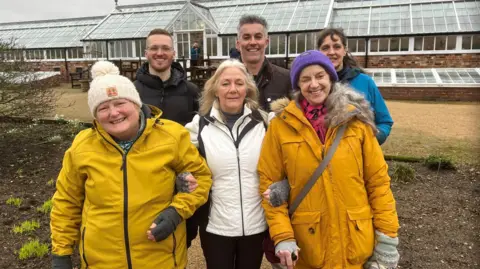
Those involved took part in range of outdoor-based projects, all designed to build their confidence and help them to be more physically active, like gardening, foraging, outdoor art and learning to manage local habitats.
 BBC/RICHARD EDWARDS
Key findings from the report include the participants reporting feeling calmer, more confident and motivated, and more inclined to be active outdoors in the future.
Researchers found a 24% improvement in the participants' mental wellbeing, while their physical wellbeing was up more than 13% and their feeling of loneliness down by more than 15% after completing the ten-week course.
Babs Callaghan is a carer for her husband and took part in the pilot project and said she was "amazingly impressed" by the project's results.
She said she struggles with travel and was anxious about getting on a bus, and despite having lived in York for 20 years she had not previously visited any of the places the course took her to.
"The support was there from the start, and the support we can give each other now is massive.
"It's massive because if the carer gets ill, through exhaustion, or their own mental health being under too much pressure, they can't do the caring role
"I really want this service to be more widely known – it could make a huge difference to so many peoples' lives."
 Getty Images
James Metcalfe, the trust's executive director, said the Natural Health Service's work and the report's findings show how connecting people with nature can help them stay healthier and more active for longer.
Support for people should begin "long before" a hospital visit, GP appointment or crisis point, Metcalfe said.
"Prevention is essential if we want to improve long-term outcomes.
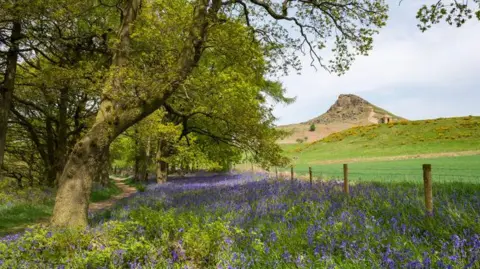
"Our protected landscapes are known for their awe and beauty, but, as we are showing, they are part of our national health infrastructure."
He said they could play a proactive role in improving "life outcomes" and supporting people facing challenges.
Dr Tom Ratcliffe, one of the university's lead academics, said there was "substantial evidence" linking social isolation and loneliness to poorer mental and physical health outcomes.
"The programme's success in reducing loneliness while improving wellbeing demonstrates the role nature-based interventions can play in addressing this growing challenge."
The trial will be extended for a further 18 months, funded with £550,000 from the mayor's budget.
Skaith said the report's findings tell "a really strong story" about improvements to peoples' mental health, physical wellbeing, and feelings of loneliness.
He added: "What really stands out is the human side to this. The fact that people are really seeing and feeling the benefits, after a very short space of time.
"This isn't an extra or a 'nice-to-have,' it's got to be a fundamental pathway to improving peoples' health and wellbeing across the patch."
A government spokesperson said access to natural environments "boosts both physical and mental health" and was why it was continuing to make green spaces more accessible to "support healthier lifestyles across the country through our Environmental Improvement Plan".
Listen to highlights from North Yorkshire on BBC Sounds, catch up with the latest episode of Look North.
