GP struck off over garlic oil 'cancer cure' claims

 Getty Images
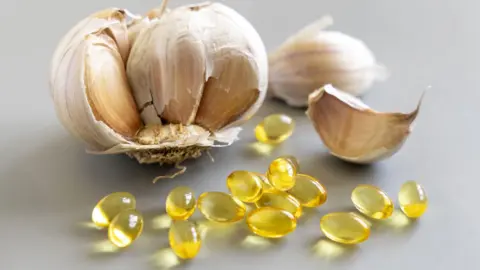
A doctor has been struck off after running an unregistered clinic and charging cancer patients £15,000 for bogus "cures" with garlic oil and vitamin C.
Dr Mohsen Ali - who had his medical licence withdrawn in 2015 - treated two patients with prostate and ovarian cancer in 2018 from a Leicester "council house", which was described as being in a "squalid" condition.
He told the patients the NHS was "killing them" and "big pharma companies were making money", a Medical Practitioners Tribunal Service (MPTS) hearing was told.
Ali's practices came to light after a patient emailed Leicestershire Police, which then informed the General Medical Council (GMC).
Ali graduated from Cairo University in 1994 and began practising in the UK in 2001, and held a full medical licence from 2004 until its withdrawal in January 2015.
MPTS proceedings began on 1 December 2025, with a further hearing on 14 January before reconvening from 22 to 24 April.
Ali was found to have informed two patients, who were recommended to him, that "he could cure their cancer" with a "90% success rate".
In return for his services, Ali charged a patient - named as Patient A - up to £15,000 and a Patient B between £10,000 and £12,000.
The tribunal heard he intravenously administered vitamin C and garlic oil to both patients as a treatment for cancer and reused intravenous bags, exposing patients to risk of serious infection.
The MPTS found Ali knew they were not "evidenced based treatments to cure cancer" and that his actions were "dishonest".
Ali did not attend the tribunal, but in an email to the GMC he denied the allegations and said he "never said he can cure cancer".
However, on a flyer found at his address during a police raid, it said he was a "qualified doctor" who had worked in the NHS but had left "because chemotherapy and radiotherapy did not work", and what he offered "cured many cancers".
The flyer also said: "In the name of Allah the best healer we aim to achieve over 90% cure rate in the most challenging illnesses eg cancers."
'Dirty and unhygienic'
Patient A, who had stage three prostate cancer, said in evidence Ali "laughed" on the phone and added prostate cancer was "easy to cure".
The sessions, the tribunal heard, were conducted at Ali's semi‑detached property - described by Patient A's wife as looking "like a council house" - and at times featured ozone therapy, a controversial alternative medical practice.
A Public Health England (PHE) inspection found the property had a "number of visibly contaminated items surfaces and areas".
It added there was a "lack of material to suggest that basic infection prevention precautions were being taken", and there was evidence "equipment was reused without decontamination".
The property was described as a shared residential and clinical space with "little to no differentiation between the two", which was "dirty and unhygienic".
Patient B - who had terminal ovarian cancer - died shortly after she stopped treatment with Ali but before the PHE and police investigations.
Her husband, described as Mr E, said they were told by NHS medics there was nothing else they could do, but Ali disputed that and claimed he could "cure her cancer".
The hearing was told Ali said to Patient B that "chemotherapy did not work" and instead of curing people, "the NHS was killing them, and the big pharma companies were making money".
The tribunal found Ali "failed to obtain informed consent" from Patient B through the vitamin C, oxygenated water, sodium bicarbonate and ozone therapy treatments.
An expert witness said no studies or clinical data suggested any of the treatments described given to the patients could cure any type of cancer.
Listen to BBC Radio Leicester on Sounds and follow BBC Leicester on Facebook, on X, or on Instagram. Send your story ideas to eastmidsnews@bbc.co.uk or via WhatsApp on 0808 100 2210.
