Frozen food packer takes company to tribunal after claiming it was too cold

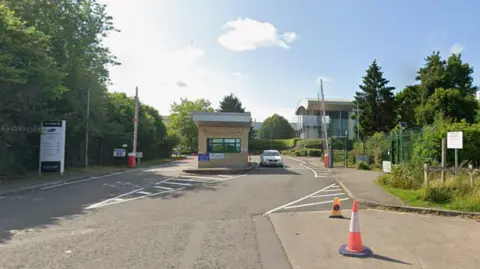 Google
A worker at a frozen food company took her workplace to an employment tribunal after claiming that her work environment was too cold for her.
Gabriela Bolohan started working at Solway Foods site in Newport in July 2024 before being diagnosed with Raynaud's disease months later.
It was claimed she told her bosses that her "heart may stop" if she continued working in the conditions, and alleged they had failed to make reasonable adjustments for her.
But a judge dismissed the claims and said the nature of the business was "chilled and frozen food", adding the management team made changes for Bolohan to return to work in a "safe and healthy manner".
The Rogerstone site employs about 1,600 people who produce different chilled ready meals.
According to tribunal papers, Bolohan initially handled chilled and frozen products in an area with operating temperatures of between 0C and 5C.
After becoming aware of her condition, the occupational health team recommended she was fit to work, but she should be moved to a "warmer working environment".
Raynaud's phenomenon can see your blood stop flowing properly to your fingers and toes, and affects blood circulation when a person is cold, anxious or stressed.
 Getty Images
In February 2025, Bolohan attended a welfare meeting in which she requested to work in the same team as her partner in an area that involved packing and stacking.
This request was denied as it had been recommended she should only lift a maximum of 5kg, following previous "dizziness, fever and bone pain".
Bolohan was also told that it was "not appropriate" to work in the same team as her partner as she had been moved to a warmer environment involving chilled products, rather than frozen products.
To this, the tribunal heard she responded that her current work place had been the only option she was given and was "still cold and frozen".
She said: "I went to A&E after work and was told that due to me working in the cold, my heart may stop."
While Bolohan alleged the minutes of the meeting were inaccurate, and that she did not say her heart was at risk of stopping, this was rejected by the judge.
Following the welfare meeting, Bolohan was placed on medical suspension during which she received full pay.
In March 2025 she claimed that there was "no longer an issue" with her heart during a meeting with an HR employee.
She said: "When I went to the doctors, they told me it wasn't anything to do with my heart and they thought it was a pulmonary embolism. But they couldn't find anything for that."
From there, the claimant was moved from medical suspension to statutory sick pay.
In April 2025, Bolohan raised a grievance about being placed on statutory sick pay and alleged failures by the company to "implement reasonable adjustments".
She returned to work the following month and her grievances were not upheld by the company.
During the employment tribunal held in April 2026, Bolohan claimed there had been a breach of duty to make reasonable adjustments to her work, and submitted complaints of "direct discrimination on grounds of sex".
The tribunal paper heard she compared her treatment to her partner and said he had been moved to an area known as the potato plant in March 2025, while she was not moved there until May 2025, alleging the "less favourable treatment was because she is a woman".
But employment judge Stephen Povey said her comparison with Ghiarasim was "misplaced" and that the circumstances were "materially different".
"The claimant has been unable to point to anything she relies upon to support her contention that the supposed differential treatment was because of her sex," he added.
Both Bolohan's claims of sex discrimination and a failure to make reasonable adjustments were not upheld.
The judge also concluded that since Solway Foods was not aware of her disability prior to her employment, it was not possible for them to have made "reasonable adjustments" for Bolohan.
When the company became aware of her diagnosis, the judge found it went "out of its way" to facilitate her safe return to work..
He added: "There was no breach of the duty on the respondent to make reasonable adjustments, the complaint is not made out and it is dismissed."
