Flower deliveries cut as firms battle fuel costs

 BBC
BBCSix months after the start of the US-Iran conflict, businesses say they are battling to keep rising fuel costs from their customers.
Stephen Wharram Florists, in Hessle, said it had stopped delivering to certain areas and had been forced to increase its delivery charge due to prolonged high fuel prices.
Sally Wharram said filling the van to deliver the flowers now costs £125 every two weeks, compared with about £90 previously.
"We used to say free delivery but we can't do that anymore," she said.
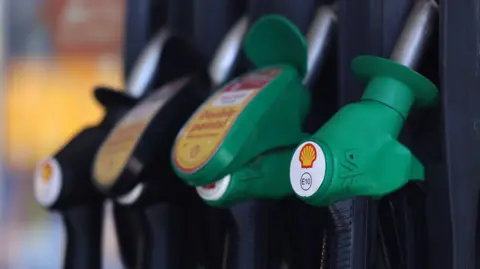
The US-Iran conflict started at the end of February, resulting in the price of oil fluctuating.
The Strait of Hormuz has been a central point in negotiations between the two countries. Before the conflict began, the waterway handled about one-fifth of global daily oil and liquefied natural gas supplies.
At the start of the conflict, there was a sharp rise in the price of oil, reaching its highest level since 2022 of more than $126 (£92) a barrel. It returned to pre-war levels of about $70 (£51) in June and has continued to rise and fall.
Wharram said the florist had previously been able to make deliveries further into East Yorkshire, but longer journeys for individual orders in some cases were no longer viable.
"We would have gone to Goole at one time but with one delivery, that's not feasible anymore," she said.
Wharram said the changing price of fuel made it difficult to budget and, with the price of flowers also rising by about 40% over the past couple of years, the business could not keep passing on the extra costs to its customers.
"We have to swallow it up in some ways. People will go somewhere else if it's cheaper. We're a family business, we've been here a lot of years and we fight everything."
The RAC said its research showed eight in 10 drivers would struggle to get by without access to a car, leaving many with little choice but to pay higher prices at the pumps.
Simon Williams, head of policy at the company, said those businesses that depend on transport are unlikely to see a change anytime soon.
He said: "The cost of oil, which is pretty much the thing that determines the price we pay, at the moment is about $90 (£66) a barrel and that means that we aren't going to see petrol reduce anytime soon.
"In fact, diesel I think is probably likely to increase by a couple of pence a litre in the coming weeks unless there's a dramatic change or a deal is struck between Iran and the US."
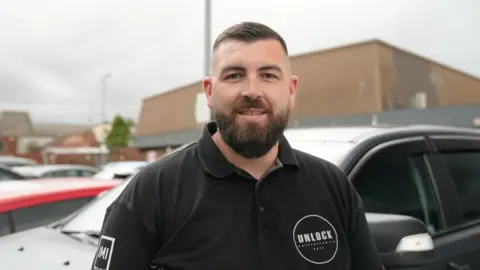
That means for business owners like Sam Kavanagh, who runs Unlock Auto Locksmith and Vehicle Transportation, maintaining a profit could prove difficult.
He said he spent about £1,000 a month on fuel while locksmithing, rising to between £2,000 and £3,000 when transporting vehicles.
"You try and be competitive but at the same time someone else will do it a lot cheaper," he said.
"It's hard to compete with that as well as thinking about your profit margins and trying to deliver the best price to the customer at the same time.
"It's quite a hard balance."
Graham Kent, who runs Anderby Driving Centre in Grimsby, said he was doing all he could to avoid passing the extra cost on to customers.
"We just take it on the chin for the moment and not pass it on to our clients because we're conscious there's a cost of living crisis out there," he said.
"Petrol is obviously our biggest variable overhead. Most of our guys do have fuel-efficient cars, like hybrid cars, so we're trying to keep the costs as low as possible by teaching good driving techniques."
Gordon Balmer, executive director of the Petrol Retailers Association, said high fuel prices continued to put pressure on businesses and motorists but, with uncertainty in global oil markets, it was difficult to predict when that pressure would ease.
Listen to highlights from Hull and East YorkshireorLincolnshireon BBC Sounds, watch thelatest episode of Look North.
Download the BBC News app from the App Store for iPhone and iPad or Google Play for Android devices
