Emergency charities hit by rising fuel costs

 BBC
BBCVoluntary emergency charities across East Yorkshire and Lincolnshire are being affected by rising fuel costs.
Charities operating helicopter, lifeboat and motorcycle services have said they are struggling with a rise in costs due to conflict in the Middle East.
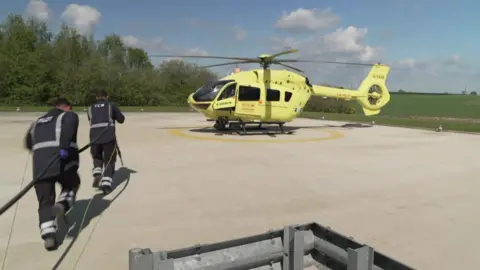
Kathryn Marsden, of Yorkshire Air Ambulance, which is funded through public donations, said the cost of one hour's flying had increased from £250 to £450 this year.
She said: "Who knows if it might rise again, or where it might go? At the moment our main issue is about costs and being able to continue to raise enough money to be able to reach people in their greatest hour of need."
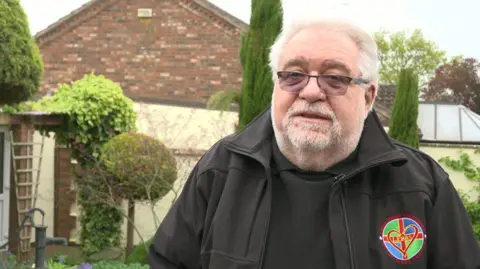
Lincolnshire Emergency Blood Bikes Service said it was not just the cost of fuel that had affected the service, but also local availability and recent shortages at the pumps.
Kevin Pearson, treasurer of the charity, said: "We've pulled up at fuelling stations, and all we've been left with is premium fuels.
"That then adds 30-40p a litre on top of what we're already paying.
"Sometimes there's been no fuel, we've had to drive round, wasting more fuel, to buy fuel."
He said that as a volunteer-led charity they could not cut costs on wages or increase the cost of their services, and described the situation as a "perfect storm".
Pearson said: "We've got increased demand, people don't have as much money in their pocket any more, and we are 100% reliant on donations."
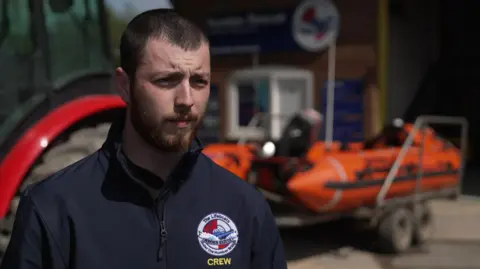
Humber Rescue also relies on public donations to carry out lifeboat operations along the Humber estuary.
Volunteer George Sword described the situation as "worrying", and said fuel costs could affect how volunteers trained.
He said: "We are solely running on funds from the public, we will always be operational and be able to help people, but things like training, which aids us in doing our job, we may have to cut back a little bit."
A government spokesperson described emergency charities as a "lifeline to thousands in communities across the country" and thanked volunteers.
The spokesperson said: "The UK remains well stocked for all fuel types. We continue to work with suppliers to make sure people keep moving and businesses are supported while the conflict is ongoing."
Listen to highlights from Hull and East YorkshireorLincolnshireon BBC Sounds, watch thelatest episode of Look North.
Download the BBC News app from the App Storefor iPhone and iPad orGoogle Play for Android devices
