Almost 250,000 badgers were culled: was it worth it?

 Getty Images
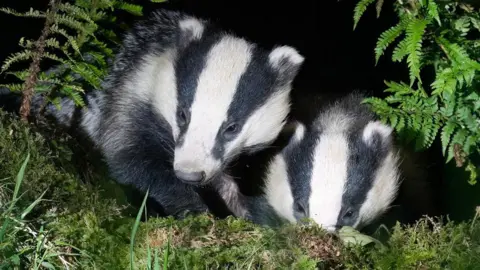
Almost 250,000 badgers were killed during England's 12-year cull, when marksmen were out every autumn trying to tackle bovine tuberculosis (TB) in its epicentre in the south-west of England.
More badgers were shot dead in Somerset and Gloucestershire during culls from 2013 to 2025 than in any other counties.
Overall the cull killed 247,000 badgers across England before it was halted by the government.
Opponents say it was a travesty. Supporters say it was well worth it. So what is the evidence?
Bovine TB is down
Cases of TB in cattle have fallen in the past decade and government scientists talk of "significant progress" since 2014.
The number of cattle sent for slaughter due to TB fell by a third, but the government said this was not just due to culling, pointing to other measures introduced at the same time, such as better testing.
Labour MP Angela Eagle, Minister for Food and Rural Affairs, merely said the cull made "some difference".
"What it hasn't done is get TB out of our herds," she said.
Much work has been done at the Animal and Plant Health Agency [APHA] in Gloucestershire, which studies animal health and has tried to establish how TB spreads among cattle.
"Badgers can carry the disease, they can spread it to cows. Cows also spread to badgers," said ecologist James Stranks, who is part of the APHA.
"But the vast majority of bovine TB transmission is from cattle to cattle."
The toll for farmers
Some suggest the badgers should not be the primary concern for farmers.
At the same time as the cull,many cattle were being slaughtered early because of bovine TB: 270,000 in a decade across England.
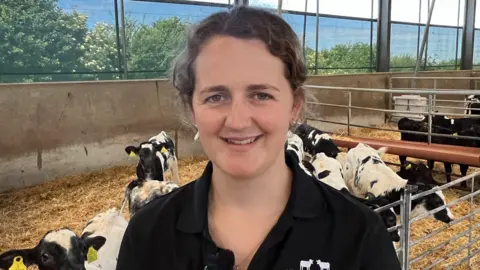
Somerset beef farmer Gabby Emery has experienced it.
She said: "Emotionally, the strain that this puts on many farming businesses is absolutely monumental.
"We have implemented things that perhaps your average farmer wouldn't, like a badger fence...and really just looking at where those high risk access points from a wildlife point of view are to your cattle."
Emery, who sits on the National Farmers Union livestock board, wishes the cull was continuing: "I would absolutely say that it was worth it."
However, some strongly opposed the cull, with the Badger Trust believing it was "wasted time" because of the transmission between cattle.
Dorset vet Keith Cutler advises on TB prevention, and cautions against focusing too much on badgers.
"Once TB is in the herd then it can circulate around within the cattle, often undisclosed for years," he said.
The incubation period for bovine TB can be months or years because of how slow the disease develops.
The Badger Trust is among the groups which strongly opposed the cull.
Trust leaders believe the fact it has been paused, vindicates their view that it was not worth it.
"We don't want to see badgers slaughtered, we don't want to see farmers losing their livelihoods," said Somerset chair Jenny Pike.
"It's been a travesty really, and we've wasted all this time since 2013 barking up the wrong tree."
The trust is helping with programmes to vaccinate badgers – which the government wants to see more of.
A new strategy
Ministers are working on a new bovine TB strategy, expected to be out within months.
The aim is still to eradicate the disease by 2038, which Somerset farmer Emery has called a "huge, huge task".
The strategy will likely focus more on stopping the spread between cattle.
A government spokesperson said they are strengthening disease control, cattle testing and surveillance.
All sides agree on one thing: a cattle vaccine could make a big difference – but could still be years off.
Follow BBC Gloucestershire on Facebook, X and Instagram. Send your story ideas to us on email or via WhatsApp on 0800 313 4630.
