Free beekeeping workshops after 18,000 bees die over winter

 BBC
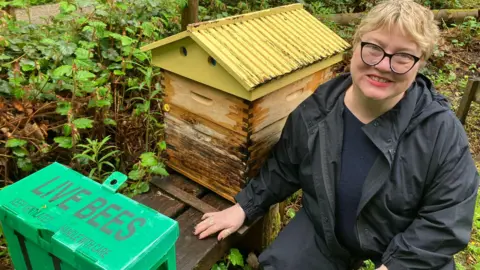
BBCA beekeeping collective is offering free workshops to encourage more people to become beekeepers amid a decline in bee populations.
Bee Involved at The Summerseat Village Collective in Bury is running sessions to encourage the benefits of beekeeping - after losing up to 18,000 bees due to weather conditions last winter.
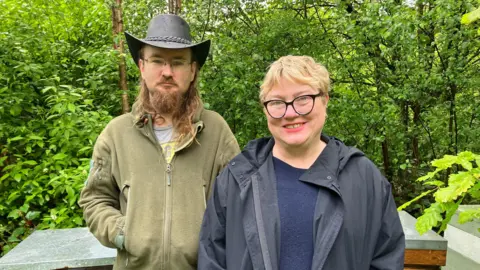
Head beekeeper Lee Fairhurst told BBC Radio Manchester it was "heartbreaking" to lose six colonies of bees - adding "beekeepers up and down the country are all suffering similar losses".
As the collective tries regrow its bee population - it is encouraging people to attend its free sessions, in the hopes of inspiring a new cohort of Bury beekeepers.
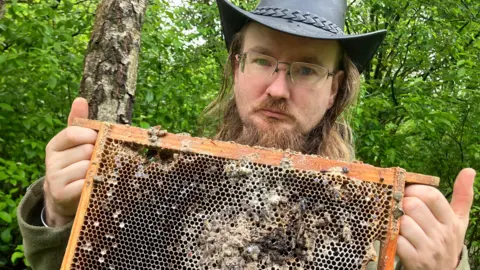
"We've had a lot of losses this winter," Lee said. "It's heartbreaking going through the hives and just coming across just piles of dead bees.
"A good strong colony will have 50,000 to 60,000 bees - going into winter they'll go down to a few thousand.
"So we've probably lost 12,000 to 18,000 bees over winter."
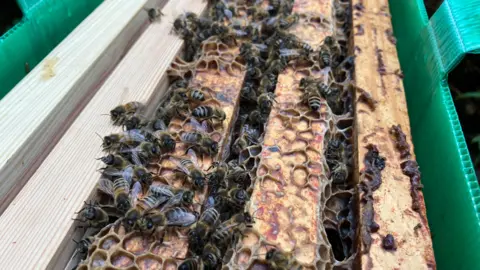
Lee said he believed the losses were caused by sudden changes in weather conditions last winter, which could have left the bees unable to adapt in time to a new climate.
"When we went into winter last year, we went from really hot to freezing cold in a matter of a week," Lee explained. "During that time the bees didn't get prepared for winter.
"And then over winter itself it was very mild and rained heavily - meaning the bees haven't hibernated - the humidity has clung to them and it's the moisture that kills the bees.
"So they just haven't survived at all."
Lee added that the dramatic losses of the winter were not unique to the Bury collective.
And according to the RSPCA, bee populations in the UK have reduced by around a third in the last 30 years - with - almost 13% of UK-based bee species under threat of extinction.
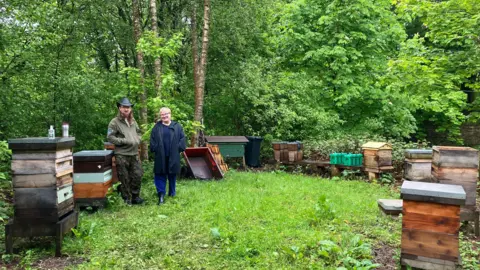
Lee said the collective had six new colonies coming at the end of this month.
"They'll replace what we've lost," he said. "But we've struggled to find the colonies because all the beekeepers up and down the country are all suffering similar losses so everyone's either out of stock or on back order or something else."
To encourage bee population growth in general though, the Summerseat group has said it will be hosting free workshops for people across Bury to "experience nature and beekeeping".
Community leader at the collective, Emma Speed said the organisation has recently been allocated funds from the National Lottery for the project.
The collective also plans to build a "honey house", where the community can be involved in harvesting honey, which will then be sold to fund the continuation of the project.
"We want people to learn and experience nature and be right in the heart of it," Emma added. "And we're really hopeful that some of those people will take up beekeeping."
Listen to the best of BBC Radio Manchester on Sounds and follow BBC Manchester on Facebook, X, and Instagram. You can also send story ideas via Whatsapp to 0808 100 2230.
