'Eyesore' derelict cinema set for new life as mosque

 Google
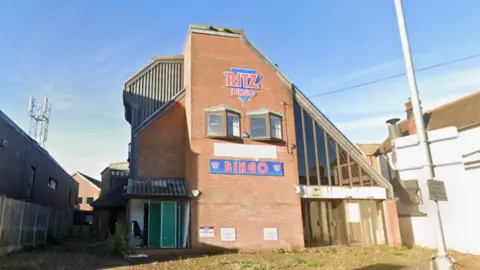
A landmark building labelled an "eyesore" is set to become a mosque after being purchased by an Islamic centre.
The Ritz on Easthampstead Road in Wokingham, a derelict cinema and bingo hall, has been acquired by the Wokingham Islamic Centre, according to the Local Democracy Reporting Service.
The centre says it plans to create a "vibrant community hub that benefits the whole town".
It has raised more than £300,000 and needs to raise a further £407,000 by 31 August to complete the sale, according to its fundraising page.
The cinema opened in 1937, served as a gathering space during the Second World War, before part of it becoming a bingo hall in the 1970s. The cinema screens closed in 1981 and it continued to operate as a bingo hall for a number of years before finally closing and has remained empty since.
On its website the Wokingham Islamic Centre describes the purchase as a "permanent home at last", adding: "This building is the ideal fit for our growing community's needs, offering massive open spaces that are fully adaptable for every service."
The centre plans to transform the building's original cinema auditorium, which once accommodated up to 716 visitors, into a "spacious prayer hall accommodating their growing community".
There will also be a comprehensive Education Hub, "with dedicated classroom areas for Nazra, Tajweed, Hifz, and weekly madrasah lessons for children and weekly madrasah lessons for children and adults."
Colin Wright, the leader of Reform UK in Wokingham, welcomed the news.
He said: "Hopefully it's going to bring more people into the town and have a knock on effect on businesses in Wokingham.
"It's an eyesore. It's been derelict for years.
"It would be good to see the site back in use.
"Nobody I know will have any issues with it at all."
The plans also include private spaces for women and young people with "youth mentoring, sports activities, and halaqas to help hold on to their faith".
Previous plans to demolish the building and replace it with 22 residential apartments were submitted but later expired after not being implemented.
The building had been marketed as suitable for a range of uses, including leisure, educational and faith-based occupiers, subject to the necessary consents.
