Surrey's blue tit bucks national trend in bird study

 Getty Images
The blue tit was the most common bird spotted in Surrey - bucking a national trend in a new survey which saw the house sparrow as the most frequently recorded bird across the country.
The study from the Royal Society for the Protection of Birds (RSPB) found the house sparrow, blue tit and starling were the the top three birds seen across the UK, while the wood pigeon and house sparrow were number two and three in Surrey.
The RSPB's Big Garden Birdwatch study was released alongside a plea from the charity not to feed birds during the summer months, as it could spread disease.
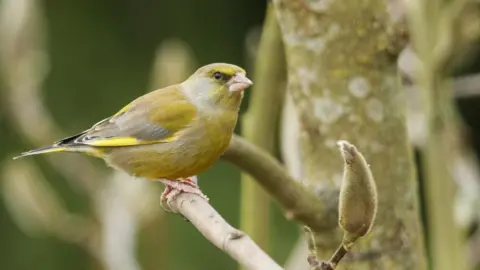
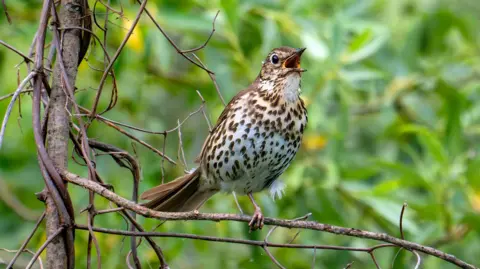
The warning comes amid a national decline of greenfinches and song thrushes.
RSPB spokesperson Martin Fowlee said people should not put seeds and nuts out from May until the end of October in order to try and stem Trichomonosis.
Trichomonosis is caused by a parasite that affects the mouth, throat and upper digestive tracts of birds and can make it hard for them to eat, drink or breathe.
The Big Garden Birdwatch survery, which has been carried out since the late 1970s, has shown that song thrushes and greenfinches have declined substantially.
"That gives us important information about the conservation that we need to carry out," Fowlee said.
Trichomonosis infects mainly greenfinches and chaffinches, and other species to a lesser extent.
 Getty Images
The top three birds in Kent and West Sussex were the house sparrow, blue tit and Starling, while in East Sussex they were the house sparrow, blue tit and wood pigeon.
The RSPB also advises those who put out water for birds on hot days to change it daily, as the disease can persist in standing water.
Follow BBC Surrey on Facebook, on X. Send your story ideas to southeasttoday@bbc.co.uk or WhatsApp us on 08081 002250.
