RNLI opposes 'dangerous' beach rock sea defences

 Blackpool Council
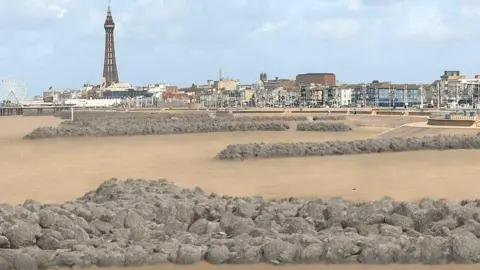
New rocky flood defences along Blackpool beach could risk the lives of holidaymakers and lifeboat crews, RNLI bosses have warned councillors.
The charity has made a formal objection to a planning application to build 17 groynes in the proposed £57m Blackpool Beach Management Scheme, which aims to protect homes and businesses from flooding and reduce the impact of coastal erosion.
It claims the council has ignored safety issues it flagged up in a consultation.
However, a council spokesman said: "The construction of rock groynes on the beach is vital for our sea defences. They are the most effective way to prevent coastal erosion. "
Local Democracy Reporting Service said the RNLI felt it was "unable to support the application" as the rock groynes at a location - heavily populated by millions of tourists each year – introduces a level of safety risk "that cannot be adequately mitigated".
Its submission said the scheme's "negative impacts" have not been "adequately assessed".
The RNLI added: "Despite making our issues and concerns clear in previous group and individual consultation meetings, there has been a failure by the council since July 2025 to follow up the engagement and consultation that was promised."
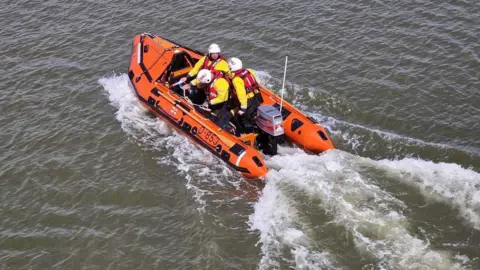
The charity said rescuing a person from the groynes even if unhurt "presents considerable challenges for lifeboat crews and others, putting both crews and the lifeboats at risk".
It also fears the defences could be hit by craft with no local knowledge, especially at night.
The RNLI also fears a "significant reduction" in space for safe vessel recovery to the beach due to the relatively close spacing of the groynes.
 LDRS
LDRSBlackpool Council said the rock groynes were "vital for our sea defences" as the most effective way to prevent coastal erosion.
"We engaged a Master Mariner with extensive experience in training RNLI small boat crews to work with local rescue teams on best practice for sea rescue around rock groynes, and to identify appropriate safety mitigations," a spokesman said.
"Rock groynes are used extensively across the UK and create headlands which trap and retain the natural onshore supply of sand, creating a sandy bay which is sheltered from wind, waves and tidal currents.
"The Blackpool Beach Management Scheme is essential for protecting more than 6,000 households and businesses from erosion and flooding."
Listen to the best of BBC Radio Lancashire on Sounds and follow BBC Lancashire on Facebook, X and Instagram. You can also send story ideas via Whatsapp to 0808 100 2230.
