Scots to be offered testing for island genes linked to cancer risks

 BBC
BBCScots with a grandparent from the islands of Westray in Orkney or Whalsay in Shetland are to be offered screening for genes associated with certain cancers.
The project, led by the University of Aberdeen and NHS Grampian, has seen NHS-run charities come together for the first time to fund Scotland-wide screening for the genes.
The BRCA1 variant from Westray is linked to breast and ovarian cancer in women, while the BRCA2 variant from Whalsay is associated with risks to women - and also breast and prostate cancer in men.
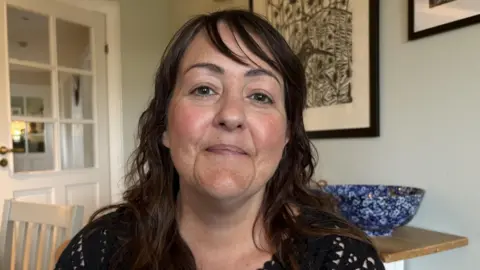
Kelly Davison, a descendant of islanders from Whalsay, has welcomed the chance to be tested. She said: "It's amazing that testing is getting opened up to this next level."
Geneticists hope expanded screening will save lives through early detection and preventative treatment.
Whalsay is a fishing community, east of mainland Shetland, with a population of about 1,000.
Kelly, whose maternal grandparents were from the island, said the gene variant had been at the back of her mind.
"My granny had breast cancer when she was 70 and had a mastectomy," she said.
"My sister applied for a genetic test but was told she wasn't eligible."
Kelly, who lives in Lerwick and whose family will now be offered screening for the mutation, said a recent experience in hospital had made her more interested in preventative medicine.
She said: "It's amazing that testing is getting opened up to this next level. It'll benefit so many people."
Gene mutations
In 2023, a study identified the BRCA1 gene variant in people with Orkney heritage.
Researchers concluded that the Westray variant affected one in 25-50 people with ancestors from the island.
The specific mutation is linked to an increased risk of breast and ovarian cancer in women.
A year later, a second gene change was discovered to be particularly common in people who had descended from Whalsay.
One in 40 people with ancestors from the island are believed to have inherited the mutation.
Testing is currently available for close family members of people with the faulty genes, or people with breast, ovarian or prostate cancer who have Westray or Whalsay ancestry.
The new pilot programme means anyone in Scotland with a grandparent from the islands can take a saliva test, according to the team behind the project.
Testing is to start in Orkney next year before being rolled out to Shetland and then, in 2028, to the Scottish mainland.
 Friends of ANCHOR
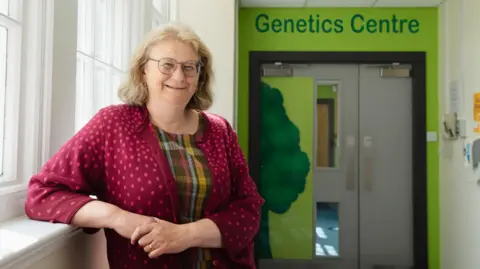
Zosia Miedzybrodzka, professor of medical genetics at Aberdeen University and NHS Grampian's clinical director of genetics, said expanded testing would help detect cancers early and provide "opportunities for preventative care".
She said: "It means we can offer genetic counselling, screening and referral into local genetics services."
For women this could involve more frequent health screenings and surgery to reduce risks.
Men with the BRCA2 variant are eligible for two-yearly PSA tests between the ages of 50 and 65.
Male results could also provide a warning to female relatives they might have a higher risk of breast and ovarian cancer.
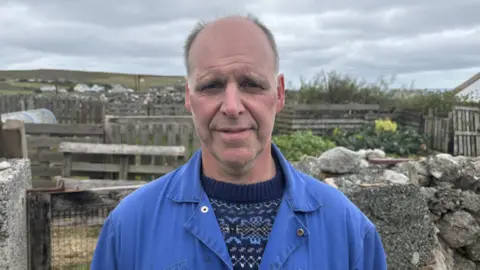
John Arthur Poleson, a fisherman from Whalsay, discovered he had the BRCA2 variant through a screening programme run by the University of Edinburgh's Viking Genes project.
"I was actually having some urinary problems and I thought they could be linked to the BRCA2 gene," he said.
Poleson was later diagnosed with prostate cancer and successfully treated.
He said: "If I hadn't had the test I wouldn't have gone to the doctor with the symptoms."
His three sons have since been tested for the BRCA2 variant.
Eight charities are funding the new £365,000 project in what the project team describe as a "unique partnership".
Cancer charity Friends of Anchor has contributed £137,000 towards testing in the Northern Isles.
Other funders include NHS charities in Highland, Tayside, Lothian and Greater Glasgow and Clyde Healthcare Charity.
Lisa Duthie, representative for the NHS charities, said it was an "extraordinary example" of donations being used collaboratively to support work with the potential to make a lasting difference.
She added: "Donations are helping to fund work which will identify people with increased risk, support earlier intervention and create opportunities for preventative care that will save lives".
