DIY bat microphones help monitor population

 Getty Images
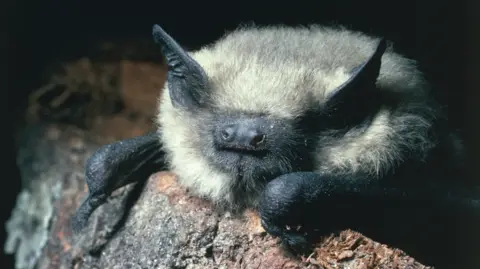
Citizen scientists have been helping monitor bat populations in rural areas by building their own low-cost microphones to pick up the ultrasonic calls of bats.
The University of Suffolk and Transition Woodbridge have been working for a number of years to monitor numbers of the flying mammals in the area but do not have enough microphones to go round.
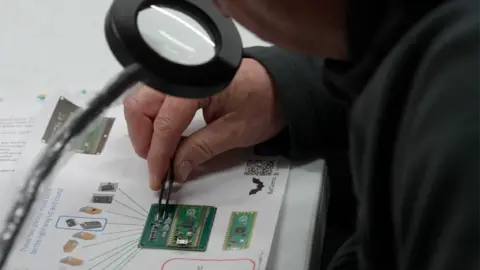
They have been running workshops teaching people how to build their own at a fraction of the cost, the results of which can be analysed by the university.
Dr Mark Bowler said: "These new microphones... are cheaper so we can scale it up… [and] we can reach more people."
Bowler, the course leader in wildlife, ecology and conservation science at the university, said traditional microphones could cost £120-£800 per unit, but the DIY versions came in at under £10.
 Jamie Niblock/BBC
Workshops were held earlier this year in Melton where participants agreed that while constructing the microphones could be "a bit tricky", it was important to help monitor the resident bat population, species and numbers.
One participant said: "I was really fascinated that there are bats that they thought were rare and actually they're not rare around here at all — it's just that they weren't known about until the detectors were used."
 Jamie Niblock/BBC
 Jamie Niblock/BBC
Jane Healey, from Transition Woodbridge, an environmental group, said showing people how to make their own recording devices meant more could get involved and her team would not need to visit homes to install the more expensive monitors on posts in gardens.
Bowler said they had been "overwhelmed by the enthusiasm of people that want to get involved".
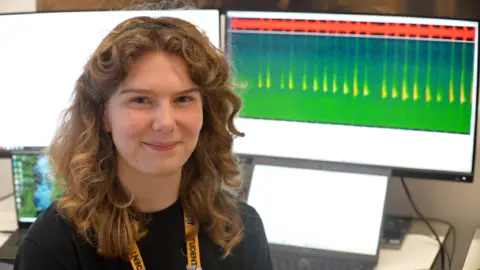
Their recordings will be sent via mobile phone to the Ipswich-based university where they are analysed by AI and verified by researchers.
He said data gathered so far had shown Woodbridge and Melton were "a real stronghold for bats".
Follow Suffolk news on BBC Sounds, Facebook, Instagram and X.
