A Surrey town's radical experiment with the dead

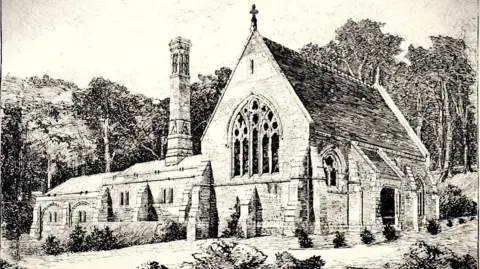 Woking Crematorium
When Woking Crematorium opened in 1878, it stood alone in a quiet corner of Surrey, surrounded by heathland and suspicion.
But in recent times, it is recognised as the birthplace of modern British cremation, a place that reshaped national attitudes to death, public health and dignity.
The idea was far from universally welcomed by local residents, who even petitioned the home secretary to stop the project, fearing it was unchristian, unsafe or simply disturbing.
Malcolm Spoor, the crematorium's manager, told the Secret Surrey series: "The ashes were buried underneath the headstones, people didn't want to move too far away from the traditional method."
The crematorium was the vision of Sir Henry Thompson, a surgeon and physician to Queen Victoria, who believed cremation was cleaner, safer and more humane than burial.
Thompson founded the Cremation Society of England in 1874 and bought land near St John's Village to build the country's first dedicated crematorium.
On 26 March 1885, Woking carried out the first official cremation in the UK: Jeannette Pickersgill, described at the time as a well‑known figure in literary and scientific circles.
Only two more cremations took place that year, but the precedent had been set.
Spoor added: "When it was built, people didn't know what a crematorium was supposed to look like, so it was based on a church.
"Most crematoriums are very modern, very functional, built for purpose - but as this was the first one, it was 'build it and see how it goes'."
By the mid‑20th Century, cremation had become a mainstream practice.
As of 2026, more than 75% of funerals in the UK involve cremation – a transformation that began quietly in Woking almost 150 years ago.
Follow BBC Surrey on Facebook, on X. Send your story ideas to southeasttoday@bbc.co.uk or WhatsApp us on 08081 002250.
