Police apologise for historical LGBTQ+ mistreatment

 BBC
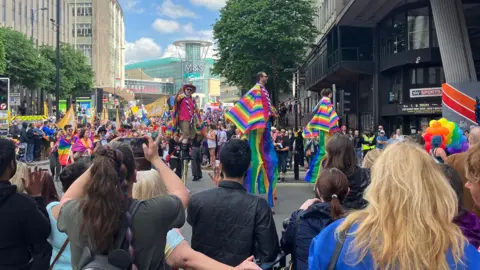
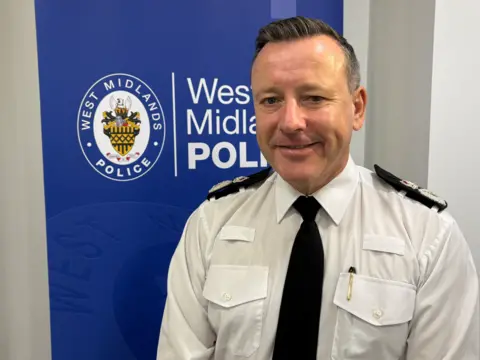
BBCThe acting chief constable of West Midlands police has apologised for "historic mistreatment" of LGBTQ+ communities by the force.
In a letter to Birmingham Pride organisers, acting Chief Constable Scott Green said he recognised laws were wrongly used to target members of the community, in particular gay and bi-sexual men, with a "lasting negative impact".
He said that before moves towards equality in 2003, laws were applied in a way that was "inappropriate, discriminatory, and fell short of the standards any member of the public should expect."
Pride organiser Lawrence Barton said it was the "culmination of a conversation that I have been pursuing with West Midlands Police for many years."
 Matt Cooper/PA Media
Barton continued: "I previously wrote to former chief constables David Thompson and Craig Guildford seeking a formal apology for the historic treatment of LGBTQ+ people by the police. On both occasions, that request was declined.
"More recently, the Police and Crime Commissioner, Simon Foster, has also publicly supported the case for such an apology and I believe his backing has helped create the environment in which this important step has now been taken", he added.
Green's letter said: "I know I cannot change the past and it saddens me greatly to think that our historic actions have diminished trust in West Midlands Police and led to feelings of injustice that persist for some today."
The letter concludes: "I hope that from this letter you will recognise that this is not simply words of apology but a heartfelt desire, on behalf of our force, to proactively build a positive relationship with the LGBTQ+ community and allies, to build trust and confidence in policing and make the West Midlands a safe and cohesive place to live, work and visit."
Barton said: "I am pleased that West Midlands Police has now taken the decision to issue a formal apology. I believe this is an extremely important and historic moment for LGBTQ+ communities across the West Midlands.
"No apology can undo the past, but this represents an important step towards reconciliation, understanding and rebuilding trust between policing and LGBTQ+ communities", he added.
The change in the law in 2003 saw the repeal of Section 28 which restricted the "promotion" of homosexuality by public bodies, equalised the age of consent and repealed charges under previous Sexual Offences Acts such as gross indecency.
Pride in the Midlands
Elsewhere, City of Wolverhampton Council said that more than 1,000 people entered the parade and over 5,000 continued the celebrations in West Park at Wolverhampton's Pride event earlier this month.
In an internal staff email seen by the BBC, staff at West Midlands Ambulance Service (WMAS) have been told they can participate in Coventry Pride weeks after bosses pulled out of Birmingham's annual parade.
WMAS previously said it had received legal advice that participating as a public body could breach "political impartiality" and create a "reasonable perception" the service actively supports specific views, which would be "contrary to the protected beliefs" of other people.
The ban on staff attending Birmingham's event came after Pride organisers in the city banned some political parties from attending last year, following a Supreme Court ruling that the legal definition of a woman was based on biological sex.
A spokesperson said the review of this weekend's event had concluded it was a "celebration of all that is good about the many and diverse communities in our region, which we fully support".
