Nature reserve warns visitors not to build dens

 BBC
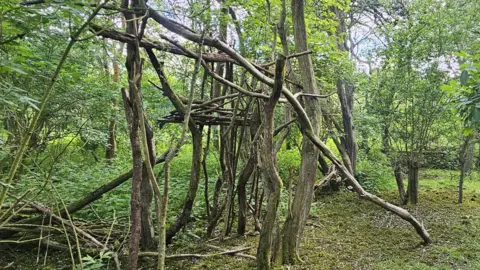
BBCStaff at a nature reserve say wildlife was "disturbed" to create a makeshift den.
The structure was discovered at the Far Ings National Nature Reserve near Barton-upon-Humber, in North Lincolnshire, which is a habitat for rare wetland birds.
Organised den building is allowed at some nature reserves, but not Far Ings.
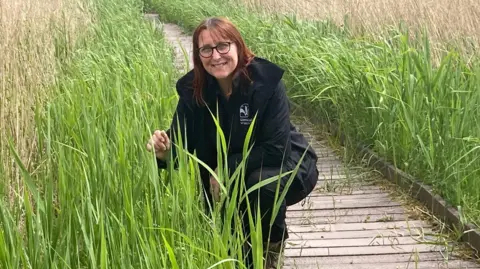
Emma Wilmot, education and community officer, said: "Den building is vitally important in child development. It's just about building them in the right places."
She said she "positively encouraged" families to visit nature reserves, but added: "It's about an awareness of the sensitivity of some of these sites."
Wilmot said the den was built using wood taken from dead hedge – an eco-friendly barrier or fence made by tightly stacking and weaving pruned branches.
"If you pull down branches from woodland and then start rearranging them at sensitive sites it can be really disturbing and damaging.
"It could disturb the invertebrates and the breeding birds. Maytime is the height of breeding season for most of native birds."
 Far Ings
Far Ings is a legally protected site of special scientific interest managed by Lincolnshire Wildlife Trust.
Wilmot said: "Building dens in those woodland areas where things are breeding could at this time of year be illegal."
As one of the site's nature experts, she helps to educate children and visitors about the importance of the reserve.
"The site has got extensive reed bed systems, woodland, meadows," she said.
"It's a really wonderful, beautiful, but also internationally important nature reserve."
She said she hoped more people would visit reserves.
"It's proven that time in nature reduces anxiety, it brings your blood pressure down," she added.
How to enjoy reserves
DO:
- Ask staff at the visitor centre for information about the site;
- Research the nature reserve online before arriving;
- Get involved in activities and workshops arranged by the centre;
- Bring a picnic and binoculars.
DON'T:
- Take dogs into restricted reserves or areas;
- Bring barbeques or light camp fires;
- Build dens where restrictions apply;
- Drop litter;
- Pull up branches or chop down trees.
Listen to highlights fromLincolnshire on BBC Sounds, watch thelatest episode of Look North.
Download the BBC News app from the App Storefor iPhone and iPad orGoogle Play for Android devices
