Academics told not to let fear inhibit Arday review

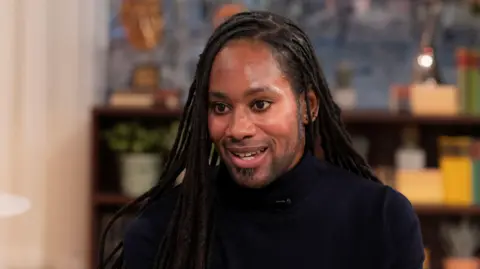 ITV/Shutterstock
People have been urged not to let fear stop them speaking up during a review into the actions of the University of Cambridge prior to the death of former professor Jason Arday.
Arday, 41, was found dead at his home in London on 14 August, the week after resigning from his position as professor of sociology of education amid intense scrutiny over allegations of plagiarism. He had denied the claims.
The review will examine the support available to Arday before his death, as well as the wider context of his time at the university.
Nazir Afzal, a former chief crown prosecutor who is leading an independent review, said: "I know some of you will hesitate. Speaking up is never easy."
Some people would be "frightened", he added.
The Metropolitan Police said it was not treating Arday's death as suspicious.
The first part of the review would examine "the support, interventions and welfare protections" available to Arday before his death, and whether the university's "decisions, actions, communications and systems were reasonable and appropriate given what it knew or ought to have known at the time".
Afzal, who is also chancellor of the University of Manchester, urged people to come forward with "direct, relevant information".
In a video message, he said: "I've spent my career listening to people who are not sure whether to speak, and I have never once thought less of anyone for finding the courage."
'Careful' v 'truthful'
In setting out the terms for the review, Afzal said: "Colleagues who made decisions in July and August are living with the outcome, and a number will be worried about their jobs, their reputations and what the coroner may ask them later.
"That fear is understandable and it is corrosive to a review, because frightened people give careful evidence rather than truthful evidence."
The university said it would report within three months "enabling recommendations for urgent action to be considered and implemented without delay".
The second part of the review would examine the wider circumstances of Arday's time at Cambridge, including the recruitment of senior academic staff, mentoring and support arrangements.
It would also look at the university's response to allegations of research misconduct and the support available to academics facing "extraordinary public and media scrutiny".
In 2023, the sociologist, then 37, became the youngest ever black professor at Cambridge.
Arday had faced allegations of plagiarism and questions about some of his achievements. He denied the claims, but admitted errors in his work.
He said some errors arose because of his autism, as he relied on using mimicry to make sense of information. He said similar scrutiny would find comparable errors in the work of other academics.
The allegations emerged after another academic — self-defined "race realist" Nathan Cofnas, who was sacked from his Cambridge role in 2024 — said he found numerous instances of plagiarism in Arday's work.
Resigning from his post in August, Arday had said: "The relentless accusations, speculation and public commentary have taken a profound toll on me and those I love."
- If you've been affected by the issues in this story, help and support is available via the BBC Action Line
Do you have a story suggestion for Cambridgeshire? Contact us below.
Follow Cambridgeshire news on BBC Sounds, Facebook, Instagram and X.
