Victorian 'icon' studies boost to attract students

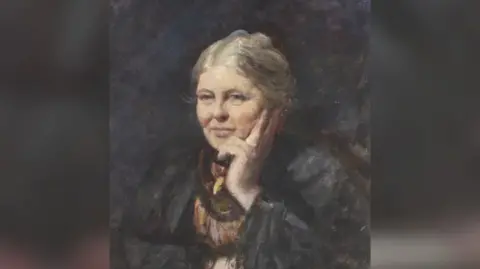 Armitt Museum
Studies of the work and impact of a pioneering Victorian educationalist are set to be enhanced by a series of honorary appointees to a centre for her studies.
Charlotte Mason founded her House of Education in Ambleside in 1892 aimed at improving the quality of children's education.
Her former college is now part of the University of Cumbria, hosting her archives and continuing to promote her practices and legacy.
The university said the "knowledge and expertise" of the nine appointees would boost its reputation as an international hub for study and research, support further work and publication, and attract new talent and learners to the region.
As well as setting up her school, she also wrote a guide on home schooling that is still used today.
Both were aimed at governesses and were the start of a global teaching movement.
Her methods live on in a few schools and learning groups around the UK, but in countries such Canada, Japan and India, where millions of pupils are home-schooled, she remains an iconic figure.
Honorary positions are unpaid roles for individuals to contribute expertise and knowledge to a field or area they are passionate about.
The nine professors of practice are Jason Fletcher, Kerri Forney and Dr Deani Van Pelt, as well as visiting research fellows Dr Jack Beckman, Lisa Cadora, Dr Elizabeth Millar, Dr Doug Sikkema, Dr Jennifer Spencer, and Dr Shannon Whiteside.
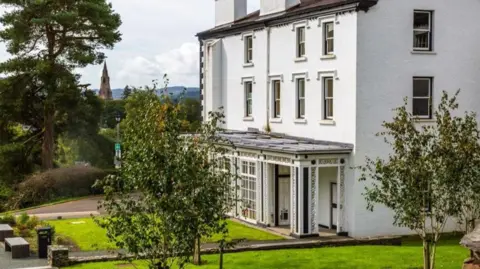 University of Cumbria
Professor Sally Elton-Chalcraft, professor of social justice in education at the University of Cumbria, said: "This will support further research and publication, while showcasing Ambleside's unique heritage assets, including archives linked to Mason, as resources of continuing international importance.
"The appointments also raise the profile of graduate programmes strengthening the potential for research that shapes contemporary educational thinking and future policy reform.
"This enhances academic reputation, attracts new talent and learners to the region, and contributes to the wider rural and visitor economy."
