Ancient moor protected as part of nature reserve

 BBC
BBCAn ancient moor has been protected for wildlife after Natural England declared it a new national nature reserve.
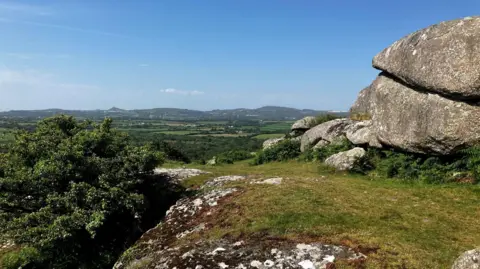
More than 1,100 hectares (2,718.1 acres) of moorland in Cornwall has been marked out as an area of focus for conservation and nature restoration.
The land near St Austell boasts a rich mix of habitats including wet woodlands, heaths and bogs, which are havens for rare species such as willow tits, sphagnum moss, butterfly orchids, royal fern, Cornish moneywort and the carnivorous round-leaved sundew.
Named the Mid Cornwall Moors, it becomes the 14th site to be declared a reserve as part of the King's series of National Nature Reserves, with 25 new protected areas planned by 2028.
Natural England said the move aimed to celebrate the landscape's role in shaping Cornwall's history.
The moors are still home to tin streaming – a prehistoric method of extracting tin ore from riverbeds.
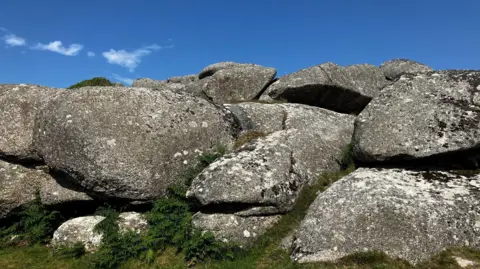
Also found across the area is Helman Tor, the Iron Age hillfort of Castle an Dinas and Goss Moor, known locally as King Arthur's favourite hunting ground.
Tony Juniper, who chairs Natural England, called its new status "a powerful recognition of the landscape's extraordinary natural and cultural heritage".
He said: "By bringing these landscapes together under one reserve, we are not only helping to restore precious habitats but also creating more opportunities for people to connect with nature, history and the unique character of this part of Cornwall for generations to come."
'Truly special landscape'
Natural England said it was hoped the new national nature reserve status would help to "improve people's access to nature, create opportunities for learning and recreation and support the local economy through sustainable farming".
The moors also serve a community living in the one of Cornwall's most rurally deprived areas.
Nature Minister Mary Creagh said: "The Mid Cornwall Moors is a truly special landscape, shaped by thousands of years of history and home to some of England's rarest wildlife.
"Combining this rich patchwork of habitats as a National Nature Reserve will protect this unique place and provide better access to nature for the people who live alongside it and a boost to everyone who visits."
The reserve combines land managed for nature and heritage by Natural England, Cornwall Wildlife Trust, Cornwall Heritage Trust, the Gaia Trust and Imerys.
It also includes land designated as the Mid Cornwall Moors Site of Special Scientific Interest, meaning an area recognised as being ecologically important.
Follow BBC Cornwall on X, Facebook and Instagram. Send your story ideas to spotlight@bbc.co.uk.
