Bluetongue can kill suddenly, farmer warns

 Getty Images
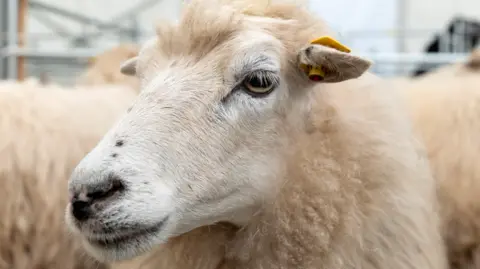
A farmer has described the devastating impact of the bluetongue outbreak after losing almost 25 sheep and lambs.
The virus, which affects sheep and cattle and is spread by biting midges, has prompted warnings from some farmers that it could become the sector's biggest crisis since the foot-and-mouth disease outbreak.
Prime Minister Andy Burnham visited a farm in Truro, Cornwall, on Saturday and said the virus was "very much at the top of our agenda" and that work was being done "to get the vaccine to the farms" where it was needed.
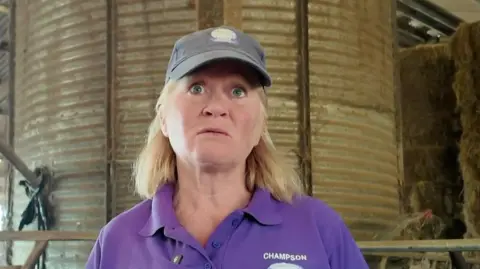
Kim Dart, who farms near South Molton in Devon, said she dreaded checking her flock each day because more animals were dying despite efforts to protect them.
Figures from the Department for Environment, Food and Rural Affairs (Defra) on Sunday showed there were 258 affected sites in Devon and 96 in Cornwall, with the south-west of England being the most impacted area of the UK.
Speaking as she examined sick lambs, Dart explained that many were suffering with severe nasal discharge and painful sores in their mouths.
"We didn't see it coming on this scale," she said.
"We'd heard about it but we didn't expect it to be quite as overwhelming really.
"One minute you think that they're doing OK and then suddenly they die."
The sickest sheep had been brought indoors so they can receive extra food, water and care, she added.
'Vaccination vital'
Another farmer, Ian May, from Devon, said: "This year it is much worse than we thought it was going to be.
"I think we were lulled into a false sense of security last year."
May suggested weather conditions may have contributed to the rapid spread of the virus but he said the exact reason remained unclear.
Vet Ben Odbert said vaccination was vital to protect livestock.
"Bluetongue has been a nightmare, I'm afraid to say," he said. "It's really hit hard."
Burnham said work was being done to "bring the vaccine forward".
He said: "I know the issue is now of access to that vaccine."
He said the government was talking to the National Farmers' Union about concerns around access and was working hard "to get the vaccines where it is needed".
Vaccinating livestock has also created a significant financial burden for farmers.
Dart said she expected to spend between £7,000 and £8,000 vaccinating all of her animals.
Labour MP for Truro and Falmouth Jayne Kirkham said she had been closely monitoring the rise in cases and was feeding concerns from farmers and local councillors directly to ministers.
Kirkham said Defra was considering what support could be provided.
"I will continue to use my line into Defra to make sure that Cornwall and the farmers in Devon as well, who are really struggling with it, get some help," she said.
The cost of removing dead livestock has added further pressure.
Dart said a local collection service had received 120 calls from farmers in a single day to remove dead animals.
Vets have warned that midges are likely to remain active until November and they are urging livestock owners to vaccinate animals as soon as possible.
