'Starmer on the ropes' and 'Sobbin' Robbins spills the beans'

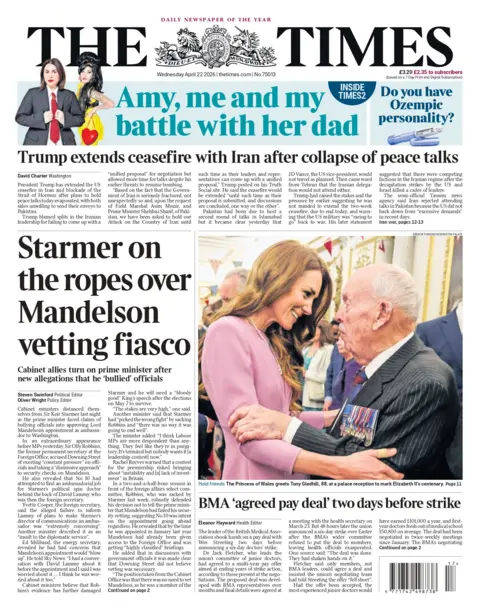
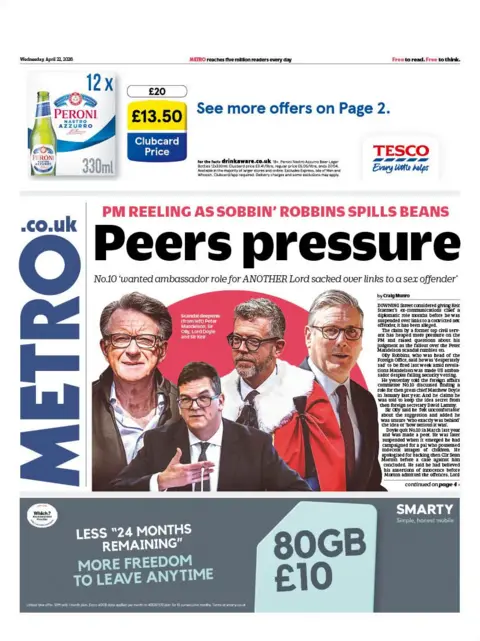
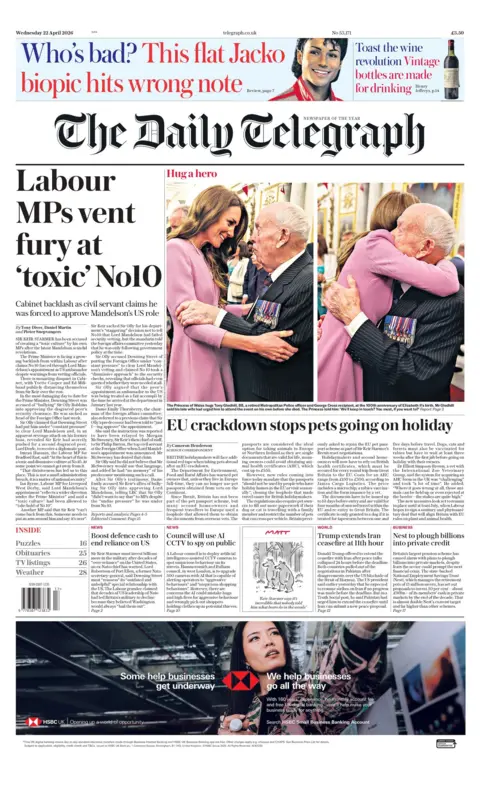

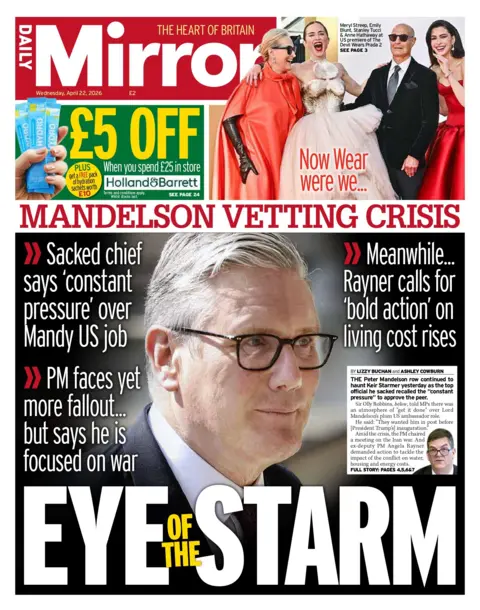
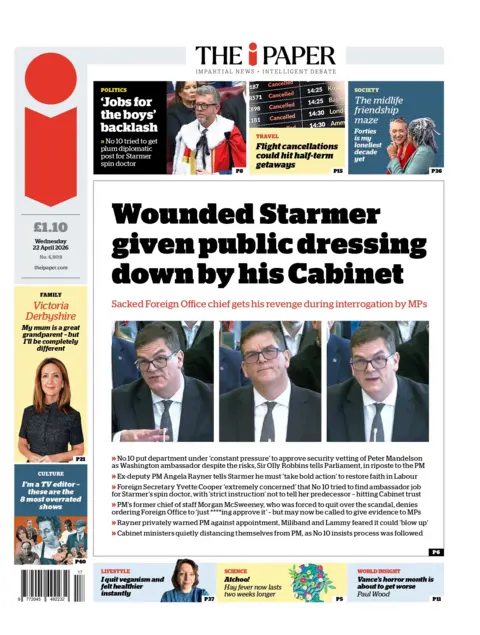
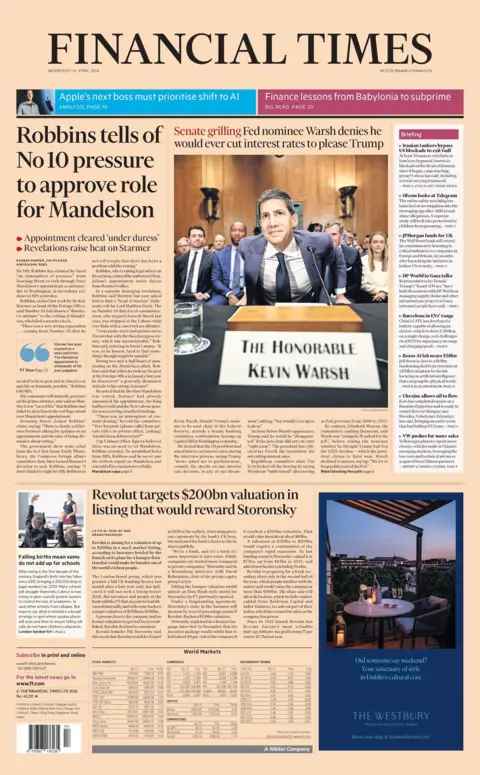
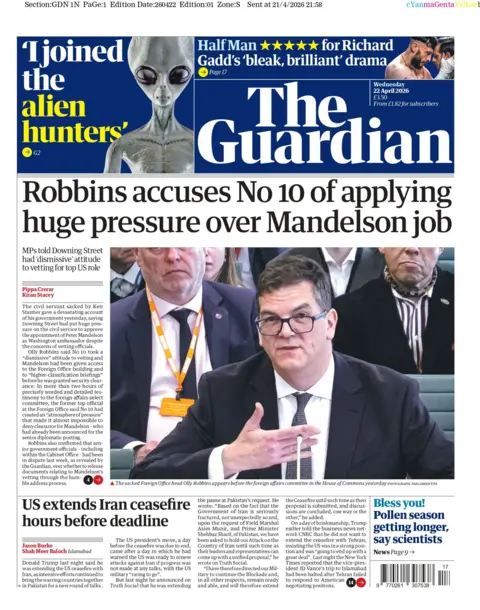
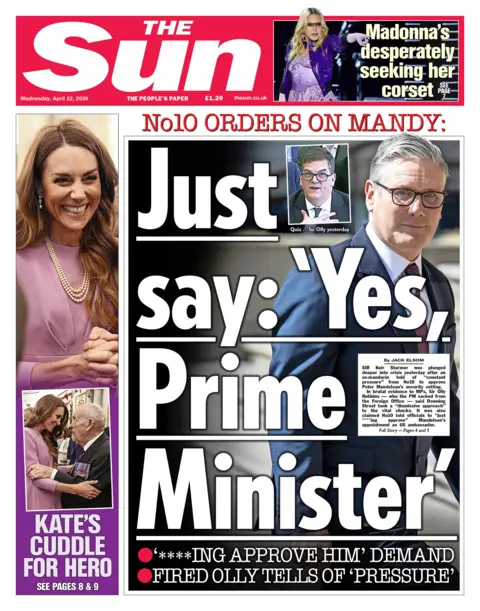
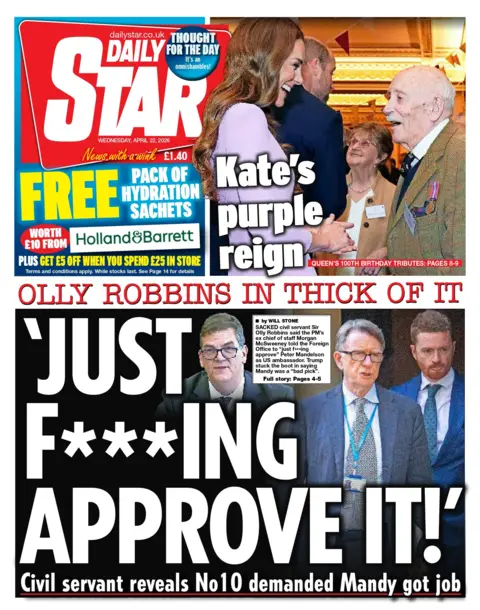

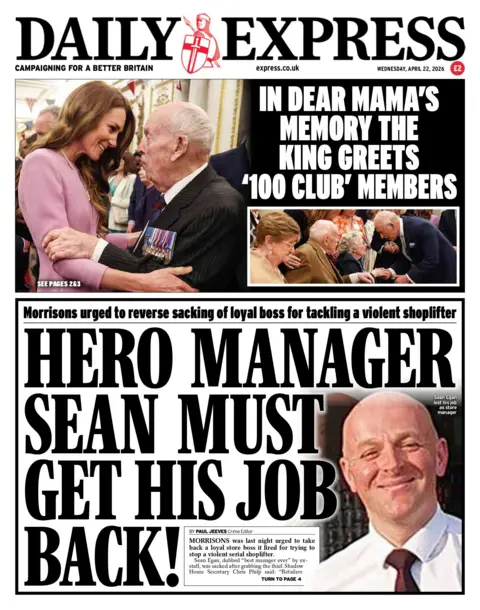
The front pages of the papers are dominated by Sir Olly Robbins's evidence to MPs about the vetting of Lord Mandelson for his appointment as US ambassador.
The Times says it was "an extraordinary appearance" from the former senior civil servant, and believes it is one that's left Sir Keir Starmer "on the ropes". The Daily Mail suggests there are signs that the prime minister's support in cabinet is beginning "to crack" after it says Sir Olly "put the knife into" him during his appearance before MPs. The Daily Mirror warns that Downing Street is now in the "eye of the STARM" - in what it dubs the "Mandelson vetting crisis".
The i Paper suggest that Sir Keir was given a "public dressing down" by his cabinet -- while the Daily Telegraph says Labour MPs have been directing their fury at what they think is a "toxic culture" in No 10. The Financial Times opinion section says the appointment of Lord Mandelson is "emblematic" of the prime minister's poor judgement - and has exposed him as a "weak politician".
Elsewhere, the Express uses its front page to call for a man it describes as a "hero" supermarket manager to get his job back - after he was fired by Morrisons for trying to stop a violent serial shoplifter. The paper says Sean Egan is "heartbroken", and struggling to support his young family. Morrisons says it has detailed procedures for handling shoplifting incidents.
The Times reports that Nasa has shut down one of the final remaining instruments on the Voyager 1 spacecraft - the furthest man-made object from earth. It was launched in 1977, and is now nearly 16 billion miles away. The paper says engineers hope this will give the mission at least another year of operation - and let them prepare for a more ambitious power saving manoeuvre they are calling "the Big Bang".
And, it is bad news for hayfever sufferers as the Guardian is one of a number of papers that picks up on research that has found the pollen season is getting longer. The study, published in the Lancet, discovered that it is at least a week longer than it was in the 1990s, driven by the warming climate and higher carbon dioxide levels.

Sign up for our morning newsletter and get BBC News in your inbox.

