Mixed reaction to Guernsey major tax reform plans

 BBC
BBCMajor proposals to reform Guernsey's tax system have been met with a mixed reaction.
The States has pitched a 3% goods and services tax (GST), the re-introduction of vehicle taxes and lower income tax bands, among other measures, as it tries to plug a £50m gap in its funding.
It described the package as "a balanced, pragmatic and proportionate response to the financial challenge we face. It will improve our financial position by £59m a year."
Critics have attacked the plans, saying the introduction of a GST would fuel "our biggest enemy on the island: inflation".
The proposals, announced on Monday, included reforms to corporate taxes, with the extension of a 10% rate paid by companies expected to raise an estimated £6m, senior politicians said.
Politicians are due to debate the plans in July.
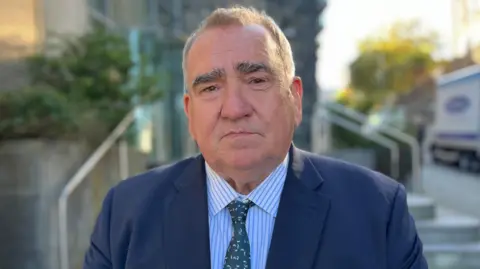
"It's going to have a massive knock-on effect on people's lives and small businesses, because, it's not just GST, we're also looking at a motor tax, and more," said Vermeulen.
"The worst thing about GST is that it fuels our biggest enemy on the island: inflation.
"Plumbers, electricians, and roofers are all self-employed, and they're going to be putting their labour rates up.
"With the GST, they're going to be finding their materials have gone up."
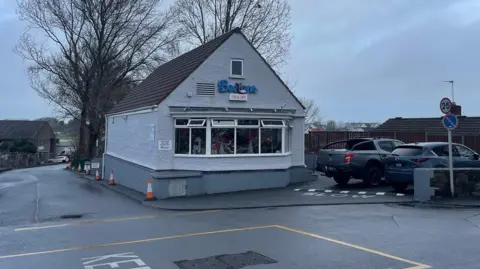
One shop owner on the island told the BBC a 3% GST would "not be detrimental" to his business.
Anthony Akathiotis, from the UK-based firm Merchants, which bought Beeton's Fish and Chip shop last year, said: "We saw what happened to the government in England during COVID when the VAT was at 5%, then it went up to 7.5%, then 10% and 15%.
"The difference to our businesses having the 5% VAT was extortionate.
"It helped a lot of businesses and so 3% should not be detrimental to our business.
"But then where does it stop? If it comes in at 3%, it's going to go to 5%, and then 10%, or even 50%.
"If it's at 3%, then we might not need to pass the price onto customers. But then, if you have to do it to survive, then you have to do it."
Graham Parrott, from Fitzroy Tax Services, said the island needs to spread its tax base.
"If you read the proposal, what they say then the average person will be better off overall as a consequence, with 75% of people benefiting from this," he said.
"Whether the average Joe will feel it or be convinced by that is another matter.
"One part of this is about raising revenue because the island needs it, and the other it spreading the tax base because we will have uncertainty in the years to come, so this is a chance to correct the funding gap and make it less risky."
Follow BBC Guernsey on X and Facebook and Instagram. Send your story ideas to channel.islands@bbc.co.uk.
