'Postcode lottery' of waste collection fees could be making fly-tipping worse, says firm

 BBC
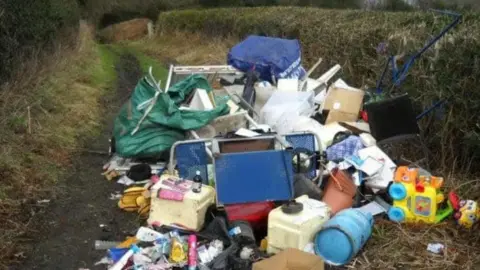
BBCThe cost of properly disposing of bulky items such as furniture and fridges could be contributing to fly-tipping in Wrexham, according to a commercial waste management firm.
Business Waste Ltd said the authority charged the second highest fees in Wales with a minimum amount of £57.50 for a single item.
The fee is £10 cheaper than in Ceredigion, but more than £50 higher than the lowest amount in Wales, which is currently in Blaenau Gwent.
Mark Hall, from Business Waste Ltd, said the different pricing had created a "postcode lottery" for bulky waste collection across the UK.
But Wrexham councillor David Bithell said the authority's charge was "in line with the council's cost recovery policy".
Fly-tipping hit record levels in Wales in the past year, with 1.26m incidents recorded in 2024-25. Wrexham ranked seventh in Wales, with 2,335 incidents of fly-tipping that year.
According to the council, incidents of fly-tipping have fallen to 1,689 this year and they are expected to decrease further following the authority's investment in additional enforcement cameras to monitor key fly-tipping sites.
Wrexham's minimum fee for removing bulky waste is currently higher than the most expensive average UK charge.
On average people pay £46 in south east England meanwhile the average across Wales for bulky waste is £34.
Blithell added: "Most authorities charge for up to three items, we charge for up to eight items, including fridges."
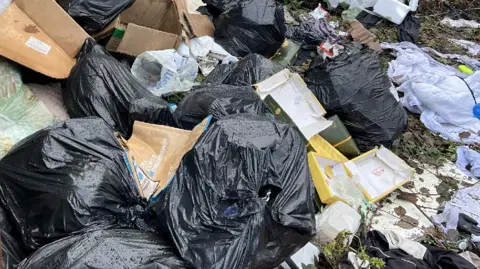
In areas such as Cardiff, fly-tipped black bags have become a growing problem, leaving residents "horrified" about the impact on communities.
 Alice Gardener
Hall said many local councils were looking to "explore strategies" to tackle the surge in waste crime and fly-tipping, but added there were stark contrasts in costs for the removal of items.
"Some councils provide a free or, in Wales, a very cheap service while the minimum charge from others is up around £50, £60, £70," he said.
Hall said council waste collections provided a "great option" for residents who struggled to transport items to a recycling centre and were an alternative to "breaking the law and fly-tipping".
He said they ensured the "streets are kept clean and that neighbourhood quality is maintained".
"That's why the service must be kept at an accessible price point," he added.
