Rural crime costing £41m is 'tip of the iceberg'

 Getty Images
Rural crime costing tens of millions of pounds a year is just "the tip of the iceberg", an expert has warned.
Data collated by insurers NFU Mutual revealed rural crime in the UK cost £41.5m in 2025, but Dr Kreseda Smith - associate professor in rural criminology at Harper Adams University in Shropshire - said the figure did not represent the full picture.
"We know from various research sources that rural serious organised crime extends far beyond that particular element," she told MPs.
The full scale of rural crime includes offences like modern slavery, human trafficking, cyber crime, drug trafficking and wildlife crime, she added.
Smith made her comments on Tuesday while giving evidence to the Home Affairs Select Committee as part of its investigation into the impact of serious and organised crime on local neighbourhoods
The figure collated by the insurance company NFU Mutual "is really the tip of the iceberg in terms of what we know about rural crime," she said.
"It is insurance claims, so it is therefore focussed very much on acquisitive theft and damage – so theft of property."
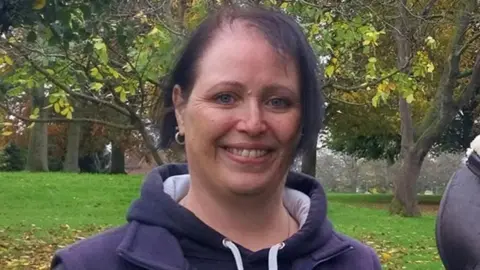 Harper Adams University
Dr Kate Tudor, associate professor in criminology at Durham University, said it was difficult to get an accurate picture of rural crime as there were no reliable statistics available.
This is because police statistics do not distinguish between urban and rural crime, and figures were not collated nationally, she said.
Smith added that people's experiences of how rural crime is dealt with by the police and other organisations can go on to affect how crimes are recorded.
If victims have previously found the crimes they reported had not been investigated satisfactorily they would be less likely to report subsequent crimes, she said.
"Farmers in particular cannot separate home and work – so this gives an added pressure to the farming community to protect their livelihoods and their homes adequately – and to try and deter being targeted in the first place," she added.
Follow BBC Shropshire on BBC Sounds, Facebook, X and Instagram.
