SAS soldier was justified in shooting IRA driver, court rules

 Pacemaker
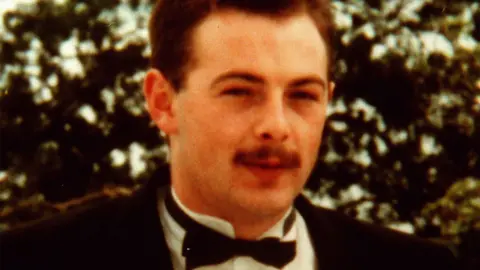
A coroner was legally entitled to find an SAS soldier was justified in shooting an unarmed IRA driver, the Court of Appeal has ruled.
Senior judges rejected claims a distinction should have been made between driver Tony Doris and two other IRA members who were also ambushed and killed in County Tyrone in June 1991.
In 2024 a coroner ruled the SAS was justified in its "reasonable and proportionate" use of lethal force.
Dismissing a challenge to the inquest verdict, Lady Chief Justice Dame Siobhan Keegan said the SAS member who opened fire, known as Soldier B, had responded proportionately in a lethal situation.
"Mr Doris was part of the threat to life in this fast moving situation," she said.
"It would be absurd to disaggregate the driver from the other men in this case, all active members of the Provisional IRA, part of a plan to murder which clearly involved an imminent threat to life which Soldier B sought to protect," Keegan said.
The Northern Ireland veterans commissioner David Johnstone told BBC News NI the case was an example of "lawfare" and that there seemed to be this endless bucket of legal aid supplied to those who know they cannot win these cases, but who bring them anyway".
Lawfare typically involves the use of legal systems to damage an opponent's reputation, challenge the legality of their actions, or impose bureaucracy in a deliberately obstructive manner, according to the Oxford English Dictionary.

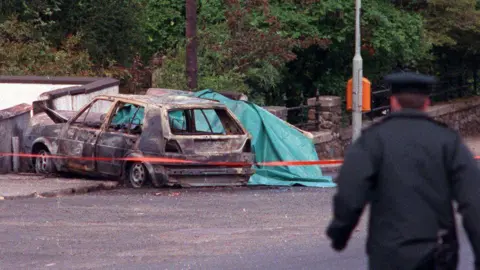
Doris and the two other IRA men - Peter Ryan and Lawrence McNally - were killed in Coagh when they were intercepted in a stolen car on suspicion they intended to murder a member of the security forces.
The three men were part of the IRA's East Tyrone brigade active service unit.
Up to 150 rounds of ammunition were discharged during the incident.
In 2024 the coroner found the soldiers honestly believed it had been necessary to use lethal force in order to prevent loss of life.
A judicial review challenge was mounted against the coroner's verdict by relatives of Doris, alleging the circumstances breached the Article 2 right to life under European law.
Their lawyers claimed Doris had been wrongly "executed" as the unarmed driver who did not pose the same threat as those with weapons.
They argued Solider B had acted disproportionately.
 Pacemaker
A High Court judge originally dismissed the case after endorsing the inquest verdict that the actions of Doris posed an immediate threat to life.
But lawyers for relatives of the IRA man maintained the assessment of Soldier B's use of force had been wrong.
The Court of Appeal heard Doris had been targeted as he tried to drive away from the scene.
Lawyers for his family argued any threat posed by him was clearly distinguishable from that of his armed passengers.
But Dame Siobhan, sitting with Lord Justice Colton and Mr Justice Fowler, rejected submissions that the coroner fell into legal error.
She highlighted previous determinations about Soldier B honestly believing the entire active service unit constituted a unified and immediate threat to life, responding proportionately by firing eight rounds within one or two seconds.
According to the court, he had had an honest and genuine belief that a military colleague's life was in danger.
"The coroner's finding that Soldier B was entitled to view the occupants of the car in the way that he did as a group of terrorists who posed a collective threat is sustainable in law," the lady chief justice held.
The coroner has applied the correct legal tests and reached a rational, well-reasoned decision."
'The folly of using the coroner's inquest'
Johnstone welcomed the findings and said he hoped the government would recognise using coroner's inquests in legacy cases was "folly".
"We have a fit for purpose legacy commission coming down the line, why do we need to be using a not fit for purpose coroner's inquest?" he said.
"We can't have a two-tiered justice system. We can't have some families allowed to use the coronial system just as lawfare and others are forced to go into an ICRIR or a legacy commission."
"Soldiers should not be put through years of persecution just so that some can try and score points politically."
 Getty Images
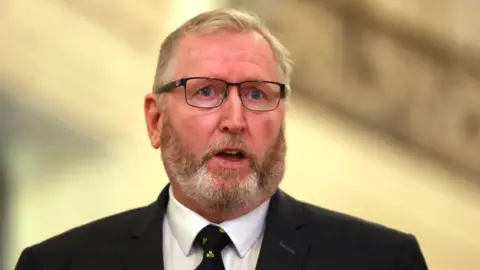
Ulster Unionist Party justice spokesperson and assembly member Doug Beattie welcomed the outcome of the hearing.
"In the end, it was always clear that the SAS were justified in using lethal force," he said in a statement.
"This wider use of 'lawfare' in a vexatious attempt to undermine the action of the military, police, and other security services needs to stop.
"It's time we focused our efforts on tracking down those who sent these three men to their deaths."
'Lethal force was justified'
Democratic Unionist Party MLA Keith Buchanan also welcomed the ruling and said the "coroner's ruling was very clear that the use of lethal force by the soldiers was justified".
"The lady chief justice was right to describe this challenge as absurd," he said.
