UK's first harm reduction city will support drug users

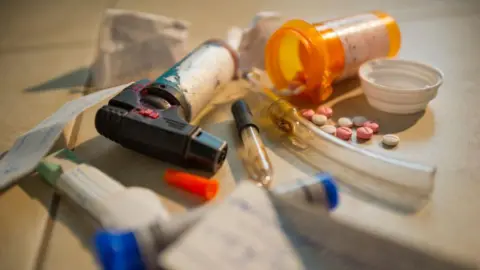 Getty Images
Bristol has been declared the first official city of harm reduction after councillors voted to focus on "supporting drug users rather than punishing" them.
The motion was put forward by Green Party councillor Cara Lavan, whose partner died from a drug overdose. She said the decision sends a message to the government that the city wants a "more compassionate, evidence-led approach" to drug policy.
The move was backed by Green, Labour and Liberal Democrat councillors at a Bristol City Council meeting on Tuesday.
But Conservative councillor Mark Weston said his group could not support the motion because they believed it was "ideologically framed".
- If you have been affected by any of the issues raised in this story, information and support can be found at the BBC's Action Line.
Harm reduction aims to minimise the health and social risks linked to drug use through measures such as treatment, education and support services, rather than relying solely on the criminal justice system.
Lavan said that in 2024, 87 residents across the Bristol area died from a drug overdose. This is above the national average.
"Every one of them was someone's mother, father, son, daughter or sibling. Every single death was tragic and a preventable loss," she said.
Lavan's partner, Jake Coe, was 37 years old when he died from an overdose in 2014.
She previously said that due to the drugs being illegal, it was hard for them to get help while he was still alive.
"He would have been 50 this September," Lavan added.
Lavan said she hoped other local authorities would follow Bristol's lead and adopt similar policies.
"We could be reducing drug use in our streets, freeing up police time and resources, increasing access to treatment, ending the revolving door of addiction.
"But that requires treating drug use primarily as a health issue, rather than a criminal justice issue," she said.
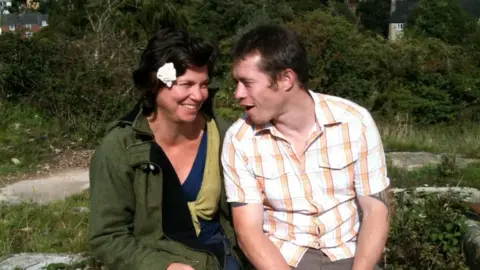 Cara Lavan
Speaking on behalf of his party in the full council meeting, Weston said: "We believe there are three pillars when you're dealing with drugs: prevention and demand reduction, enforcement against crime, and treatment and recovery."
Weston said this motion would exclude one of these pillars.
The decision has been welcomed by organisations working with people affected by drugs and alcohol.
Steve Stone, one of the organisers behind the Bristol event space, Sober Spaces, said the scheme would help residents in the city.
Stone used to be addicted to drink and drugs but is currently celebrating more than two years of sobriety.
"This is not only a way to help mitigate the reasons behind drug use, but it could also help tackle the issues around the homeless community," Stone said.
Harm reduction has been happening slowly throughout the country, "people are choosing to drink less and eat healthier, which are all forms of harm reduction, he added
 Steve Stone
Hanna Head, senior project manager at SOS UK, said the declaration does not change national drug laws but signals the council's commitment to a public health-led approach to tackling drug-related harm.
Lydia Plant, chief executive of Bristol Drugs Project, said the declaration recognised decades of work across the city, from needle exchange schemes to drug checking services, and reflected Bristol's commitment to "evidence and compassion over judgement".
Plant said the city had developed a wide range of recovery and support services and that the motion recognised the collective efforts of organisations working to improve health outcomes.
Hanna Head said Bristol's approach was already inspiring similar projects in other cities.
She added that the council's decision showed what could be achieved when organisations worked together around a shared commitment to harm reduction.
Follow BBC Bristol on Facebook, X and Instagram. Send your story ideas to us on email or via WhatsApp on 0800 313 4630.
