Rare heathland still bare one year on from wildfire

 BBC
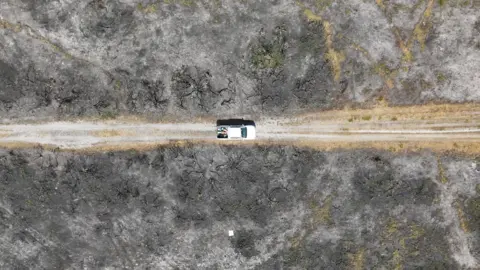
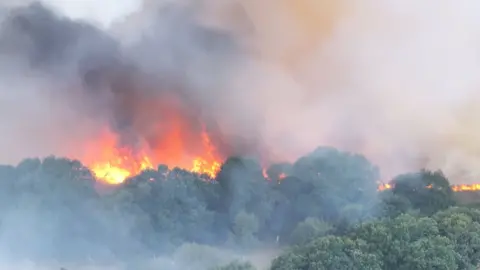
BBCOne of Dorset's most important heathlands is showing only limited signs of recovery following a devastating fire 12 months ago.
About 72 hectares (177 acres) of the rare habitat, just north of Wimborne, were lost.
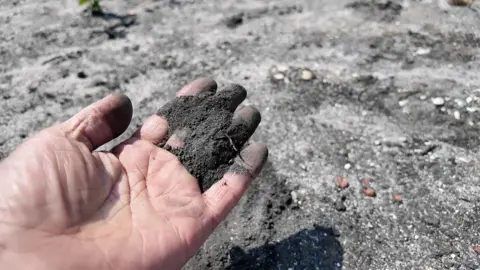
The intense heat stripped the soil and seed bed from large areas, with the current drought further limiting recovery.
The National Trust, which owns the land, says it plans further surveys to see what more, if anything, can be done to help re-establish the heathland.
"It's devasting," according to Ellie Egan, of the National Trust, who grew up around the heath.
"The outlook for recovery for me is quite a long way off and it's just heartbreaking.
"We spend our careers looking after these places with people and community enjoying this space and now this is what we have."
For Egan, it has been a year of watching and waiting to see how the site recovers.
In places, there are some signs of the heath beginning to re-establish itself but any recovery has been further hampered by the drought conditions.
Heavy rain at the beginning of the year also washed away any remaining top surface, leaving bare sand and ash.
 Beaumont Studio
Further soil studies and more detailed mapping of the site hope to better understand the effects of the fire on the heathland.
Future restoration work aims to stabilise the sand and prevent further deterioration.
Options include moving soil from unaffected areas and re-establishing heathland plants by planting seeds or plugs.
Subject to funding, restoration work could begin next year.
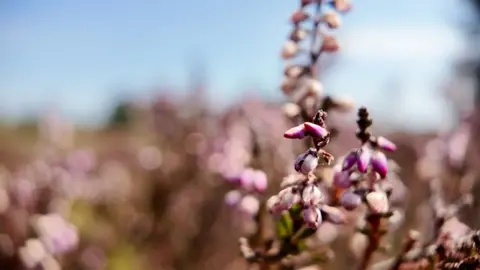
For Dorset, the loss of such a large area of heathland is particularly hard felt.
"The fire at Holt Heath, along with more recent incidents such as the wildfire at Studland, highlights the growing challenge," says Paul Attwell, of Dorset Heaths Partnership.
"It's rarer on the planet than rainforest now and, for us, it's got such specialist species here."
Species impacted by the fire include all six of the UK's reptiles, along with insects and birds, including the Dartford warbler and nightjar.
Attwell adds: "It's such a rare and fragile habitat that, unfortunately, it is susceptible to fire from the nature of the vegetation."
It is hoped lessons learned from Holt Heath will help other areas affected by wildfires across the country.
