Thermal drone finds chicks before grass cutting

 Getty Images
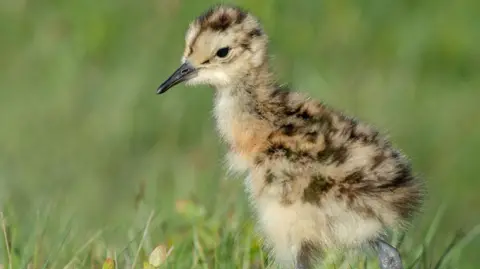
A bird protection charity has been using a thermal drone to find and protect chicks before farmers cut grass in their fields.
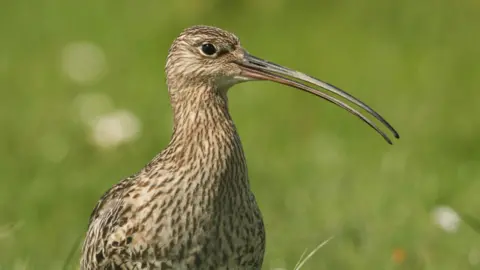
Cumbria-based Curlew Recovery South Lakes said it had so far found six curlew nests using the drone, and a total of 32 nests overall.
The birds are a red-listed endangered species in the UK and declining due to poor breeding success, the charity said.
Farmer and charity volunteer George Taylor, from Crook, said: "If farmers think there may be a curlew nest or chicks in a field due to be cut, please contact us as soon as possible."
Curlews lay their eggs in a nest on the ground known as a "scrape", according to the Royal Society for the Protection of Birds.
They incubate the eggs for about four weeks, then the hatched chicks spend a further four weeks with their parents until fledging.
Drone pilot and fellow volunteers Barny Sykes, from Brigsteer, said: "Once a nest is fenced, farm operations can continue safely around it.
"Farmers have been fantastic. Some have even adjusted cutting timings to help the birds."
 Getty Images
Twenty-seven curlew chicks have hatched so far this year, according to the charity, with 16 nests still containing eggs.
Volunteer Susannah Bleakley, from Crosthwaite, said: "We've found more nests this year than ever before, helped by farmer tip-offs and what we've learned in previous seasons.
"We've had encouraging results over the last two years, with more chicks fledging locally than for many years.
"Now we're keeping everything crossed for the chicks hatching this month."
