Public loos and joyriding: what's behind a council deal?

 BBC
BBCAs the deadline to find a leader for Cambridge City Council loomed large, the deadlock was broken at a meeting on Monday evening.
It transpired a deal between Labour and the Liberal Democrats had been agreed. But what is in that deal, and what difference could it make to people?
The university city has become synonymous with the government's growth plans, but it is also regularly quoted as being one of the most unequal cities in the country.
The council had been under Labour's control for more than a decade, but the party lost its majority in May's local elections as well as its leader, Cameron Holloway.
It still had the most seats, with 17 of the 42, but that was not enough to have a majority. So with the Greens on 12 seats and the Lib Dems on 11, could a deal be done?
After one council meeting failed to find a leader, members met again on 1 June, the day before they legally had to have someone in place.
Labour once again put forward their new group leader, Katie Thornburrow. This time, the Greens put forward their deputy leader, Sefira Davison.
In the vote, the Lib Dems abstained, leaving the door open for a Labour victory. The agreement between the two parties explains why.
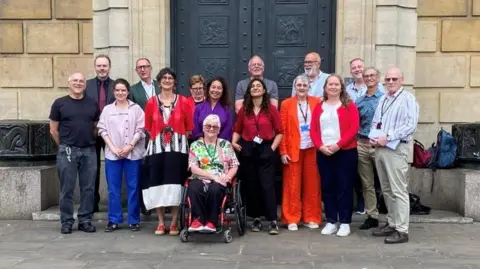 Cambridge Labour
At a meeting of the all-Labour cabinet next month, members will consider a report that backs the reopening of toilets on Parker's Piece and Quayside – a Lib Dem priority.
The report also addresses street cleaning and "public realm enforcement teams" – dealing with things such as fly-tipping – which will have additional temporary staff in the meantime.
The Labour group will look into possible controls in relation to houses of multiple occupancy and short-term visitor accommodation, and prepare a report to "determine the council's response to Equalities Act guidance in relation to public toilet access".
Lib Dem leader Tim Bick told Monday's meeting that some residents "suffer from the racing of engines and screeching of tyres from noisy joyriders and racers who breach the peace, often at unsocial hours".
Labour will produce a report on a potential "citywide Public Spaces Protection Order to enhance police powers in relation to anti-social driving".
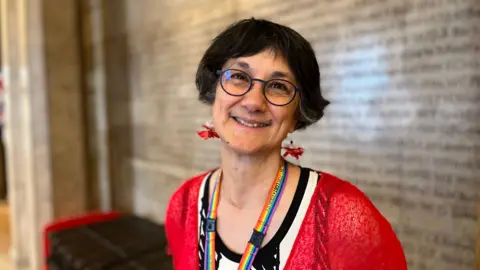
Thornburrow told the meeting her administration would champion "cross-party consultation, transparency and a focus on delivering key community priorities that reflect the city's evolving political landscape".
Speaking to BBC Radio Cambridgeshire, she said there was "going to be much more transparency" and a cross-party finance group set up to agree a budget.
The city council is set to be abolished and replaced by a wider unitary authority, while a development corporation is also on its way.
"Both South Cambridgeshire [District Council] and Cambridge City have made it clear about... how we want to retain planning powers and local plan-making," she said.
"We're going to make sure we put the case of Cambridge as strongly as possible.
"I might be the leader of the Labour Party but, as leader of the city, I'm representing all of the councillors. I will put the city first."
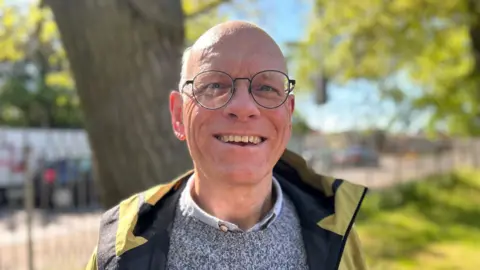
Bick said his party's priority had been a "three-party joint administration", but that idea had not worked.
If the Greens and the Lib Dems had joined forces, they would have had a majority.
But Bick said: "The gap for us was uncertainty of what the Greens' collective views are on the major issues facing the city." He later added the Lib Dems only knew what the Greens had campaigned against.
He said the agreement with Labour "doesn't impede the Liberal Democrats' independence as an opposition group on this council".
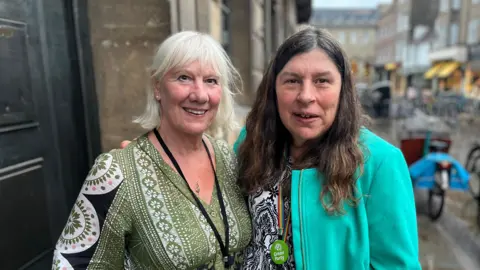
Green leader Naomi Bennett said her party "did like the proposals for a collaborative coalition and we were very interested in the proposal to have a collaborative arrangement with the Lib Dems, but we couldn't get them off the ground".
The Greens grew their presence in May's local elections, becoming the second largest party on the council.
Bennett said: "There was a meeting of minds [with the Lib Dems] on policy issues. Every concession they got from Labour, they could have got from us.
"The real problem was that the power-sharing arrangement that Tim proposed would have been a Lib Dem leadership in all but name.
"They would have taken 70% of the cabinet posts by budget. Tim wanted to be leader in year one, even though his party is smaller.
"And I think it's very clear that on 7 May the Greens won the election. We doubled in size and we were the only party to gain seats."
Do you have a story suggestion for Cambridgeshire? Contact us below.
Follow Cambridgeshire news on BBC Sounds, Facebook, Instagram and X.
