'Learn and enjoy' Manx language at new exhibition

 BBC
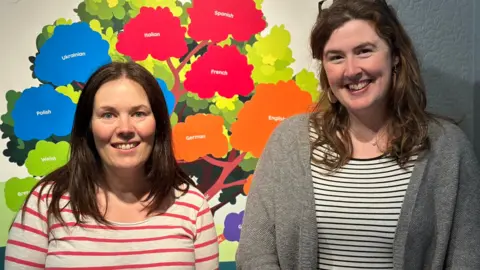
BBCThe rich history of Manx Gaelic and its place in modern times are being brought into focus in a new bilingual exhibition that aims to "break down barriers".
The project is part of the 2026 Blein ny Gaelgey - Year of the Manx Language, which is a celebration designed to create a lasting boost for the use of the island's native tongue.
Put together by Culture Vannin and Manx National Heritage (MNH), Mind Your Language encourages people to "explore, learn and enjoy" Manx Gaelic from its roots in Old Irish to its current day usage.
By highlighting the "beauty of Manx in nature, poetry and place", it aims to foster a positive connection with the language.
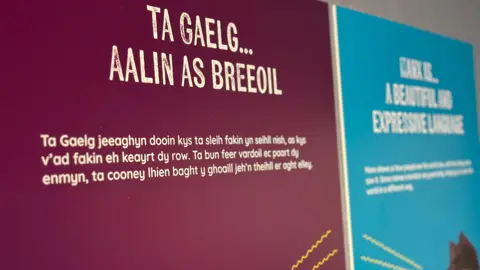
MNH assistant curator Nicola Tooms said it had been designed to "be fun, welcoming and interactive, breaking down barriers for those who may feel that learning a language is inaccessible, but perhaps don't realise how much Manx they already know".
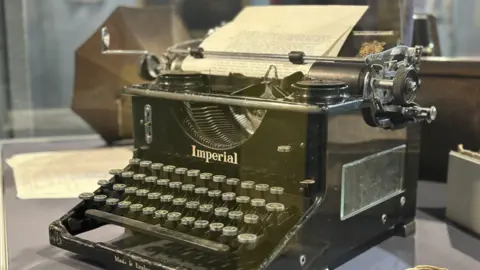
"Through a mix of storytelling, objects, sound and hands-on activities, visitors will leave with a deeper appreciation of Manx as a living part of the Isle of Man's identity," she said.
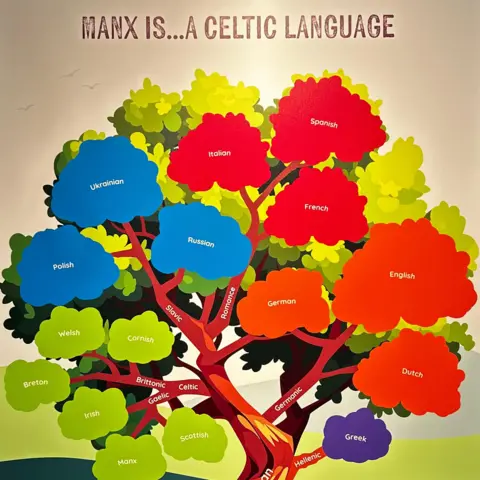
The exhibition begins with the origins of the language – which dates back to the 5th Century – and its widespread use by people living on the island until a drop in its usage in the 19th Century.
Split into the four themes of What is Manx?, Manx and Nature, Manx and People, and Manx and Place, it brings together artifacts, artworks and literary works.
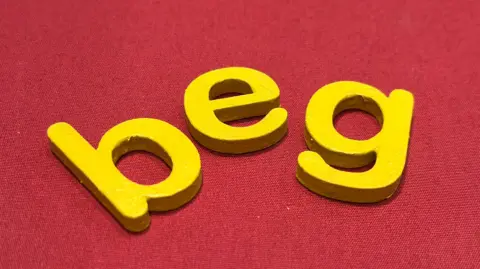
The display also delves into the meaning of words that frequently appear in place names, like 'balla', 'mooar', 'cronk' and 'beg', and the use of the language in different facets of life.
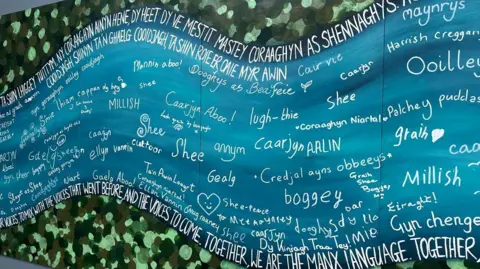
It features interactive games, a sound station and video installations featuring music and storytelling.
To make the content as accessible as possible, descriptions in the exhibition have been also been produced in braille and large type, with QR codes allowing access to the information featured as well as audio descriptions to accompany the videos shown.
Manx language development officer for Culture Vannin, Ruth Keggin Gell, who co-curated the exhibition, said it was "wonderful" to collaborate with MNH to take the island's native tongue to a wider audience.
She said it was particularly exciting that the exhibition was fully bilingual, and enabled both local visitors and tourists to "experience seeing and hearing Manx in a variety of ways".
The project aimed to illustrate that while it was a centuries-old language, there was still a "vibrancy" to it today, she added.
The exhibition is on display at the Manx Museum in Douglas, which is free to attend, until 4 October.
Read more stories from the Isle of Man on the BBC, watch BBC North West Tonight on BBC iPlayer and follow BBC Isle of Man on Facebook and X.
