Where to see bluebells in the south this Easter

 National Trust
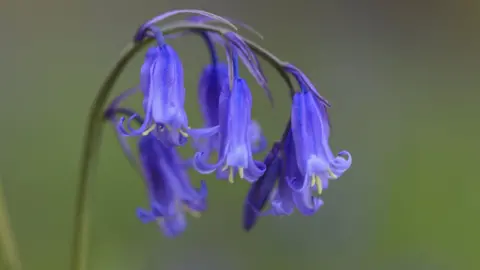
Bluebells are beginning to appear across the south, with some sites reporting earlier blooms than usual this year.
A sign that spring is on its way, the flowers typically peak from mid-April into early May, although timing can vary depending on weather and location.
They can be found across a mix of woodland reserves and country estates throughout Oxfordshire, Berkshire, Hampshire, the Isle of Wight and Dorset, with many smaller or lesser-known spots also offering displays.
Here are some of the places people can catch them this Easter and beyond.
Oxfordshire
 National Trust
Badbury Clump
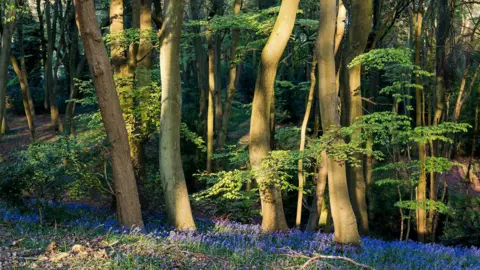
Badbury Clump, near Faringdon, is one of Oxfordshire's best-known bluebell spots, where woodland areas fill with colour in April. The former Iron Age hillfort is also a popular place for a walk, with views across the surrounding countryside.
Sydlings Copse
Near Oxford, Sydlings Copse offers a quieter setting, with bluebells spreading across the woodland floor as the season develops. Other spring wildflowers can also be found here.
Warburg Nature Reserve
Warburg Nature Reserve, nestled in the Chiltern Hills near Henley-on-Thames, is known for its bluebell displays in spring. The wider reserve - which has its own microclimate - boasts a mix of animal and plant life, with orchids also found there from April.
Foxholes
Near Burford, Foxholes is an area of ancient woodland where bluebells grow each year, though typically a little later. Primroses, violets and early-purple orchids can also be seen throughout spring.
Watlington Hill
Watlington Hill offers wide views across the Oxfordshire Plain, along with woodland areas where bluebells can be found in spring. It's also a good spot for wildlife, with red kites often seen overhead.
Nuffield Place
Near Henley-on-Thames, Nuffield Place has a short woodland walk where bluebells appear along the paths in spring. The route is relatively accessible, making it a good option for a shorter visit. Standard admission applies.
Berkshire
 National Trust
Basildon Park
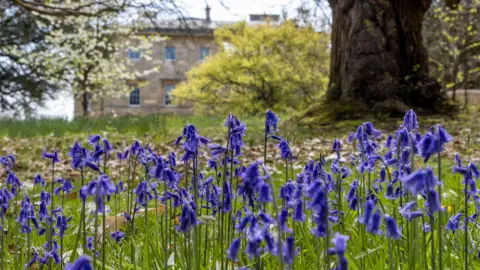
This year, Basildon Park has a new bluebell trail taking visitors into a previously undiscovered part of the site's woodland until the end of May. The wider estate also offers parkland walks and views across the Thames Valley. Standard admission applies.
Cliveden
At Cliveden, near Maidenhead on the Buckinghamshire border, bluebells can be found in parts of the estate, appearing along woodland paths from April. Visitors can ask for a map to the dedicated "bluebell walk" around the site. Standard admission applies.
Maidenhead Commons
Woodland at Maidenhead Commons is another place to spot bluebells, particularly around Maidenhead Thicket, which was once a hot spot for highwaymen. Visitors can see the colourful clusters on a seven-mile circular walk.
Bowdown Woods
Bowdown Woods, near Newbury, is a popular local spot for bluebells. The reserve forms part of the West Berkshire Living Landscape, a Wildlife Trust project to create space for wildlife and people together. While there, visitors can also see The Bomb Site, so named because it was used as an ammunition store during and after the Second World War.
Moor Copse
Known for its butterflies and moths as well as its floral displays, Moor Copse, near Reading, combines bluebells with other spring wildflowers, offering a varied woodland walk. The River Pang runs through the woodland providing a setting, with some suggesting it helped inspire E. H. Shepard's illustrations for The Wind in the Willows.
Hampshire
 Getty Images
Roydon Woods
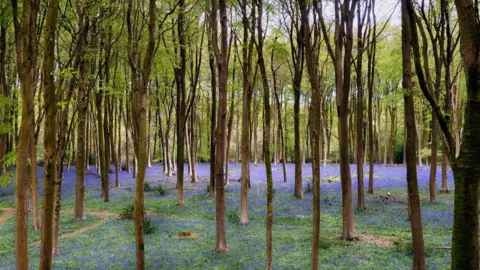
Roydon Woods, near Brockenhurst, boasts a bright carpet of bluebells in the spring. The woodland is home to a rich variety of wildlife, including great spotted woodpeckers, skylarks, badgers, voles and stoats.
Pondhead Inclosure
Pondhead Inclosure, in the New Forest, is one of Hampshire's best-known bluebell sites, with woodland areas filling with colour in spring. The inclosure is managed woodland, with walking routes leading through the displays.
Hinton Ampner
At Hinton Ampner, near Winchester, bluebells form part of a longer estate walk through beech woodland and parkland. Woodland paths pass through areas where the flowers appear in spring. Standard admission applies.
Micheldever Wood
Near Winchester, Micheldever Wood is widely regarded as one of the best places in the county to see bluebells, with large areas of woodland known for their displays each year.
The Vyne
Visitors can follow a woodland walk at The Vyne, near Basingstoke, which passes through wetland and into beech woodland where bluebells appear in spring. Other wildflowers, including early purple orchids, wood anemones and celandines, can also be seen along the route. Standard admission applies.
Isle of Wight
 National Trust
Borthwood Copse
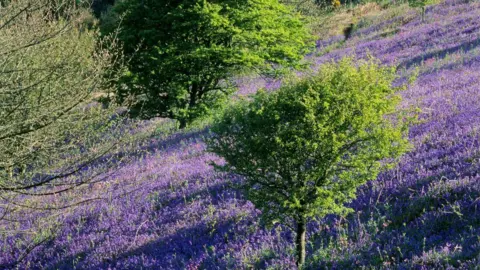
Borthwood Copse is one of the island's main bluebell locations, with woodland paths passing through ancient oak and beech woodland where the flowers appear in spring. The site is also home to red squirrels.
Ventnor Downs
On Ventnor Downs, bluebells can also be found across open downland, offering a less typical setting for the flowers compared to woodland sites.
Eaglehead and Bloodstone Copse
This reserve offers a quieter alternative, with bluebells appearing alongside other spring plants in ancient woodland alongside species including red squirrels, dormice and bats.
Dorset
 Getty Images
Ashley Wood
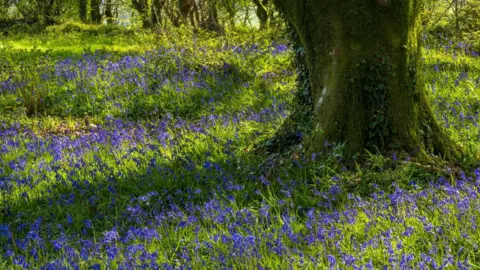
An ancient hazel and ash coppice near Blandford Forum, Ashley Wood is carpeted in bluebells in the spring. Also a good spot to see butterflies and listen to the woodland birds sing.
Ashmore Wood
Ashmore Wood, near the village of Ashmore, sits within the Cranborne Chase National Landscape and is known for its spring bluebells. The ancient woodland, managed by Forestry England, is also home to other seasonal wildflowers including primroses and celandines.
Kingston Lacy
At Kingston Lacy, bluebells can be found in woodland areas of the estate, with walking routes leading through the displays. The wider estate also includes parkland and gardens. Standard admission applies.
Coney's Castle
Coney's Castle, near Bridport, is an Iron Age hillfort where bluebells can be found in woodland along the ramparts in spring. The site also offers views across the surrounding countryside.
You can follow BBC Oxfordshire on Facebook, X (Twitter), or Instagram.
