Cast reunites 25 years after life-changing play

 BBC
BBCWhen a group of boys who were excluded from mainstream education were invited to create and perform a play, they had no idea how it would transform their lives.
In 2001, seven pupils at the former Penwithen School in Dorchester worked with Bournemouth community arts charity Vita Nova on a production they performed in schools and universities, and even at a European arts festival in Latvia.
Years later, project leader Sharon Coyne was trying to find out what had become of the boys when one of the cast, Dan Stanaway, arrived at her door to fit her new oven.
Stanaway is one of four original participants who have since reunited and says the play had been a pivotal moment.
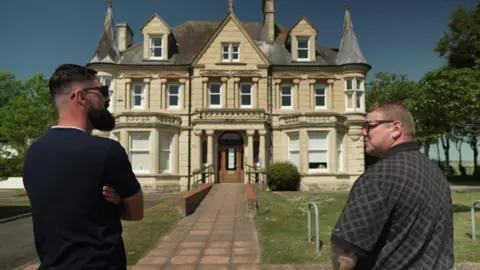
"I was a naughty child," said Stanaway, standing in front of what was Penwithen School on the outskirts of the town.
"I got excluded from pretty much every school in the Bournemouth, Poole and Christchurch area so they sent me here."
Penwithen closed in 2005, but when Stanaway stayed here it was a residential special school for children with behavioural difficulties.
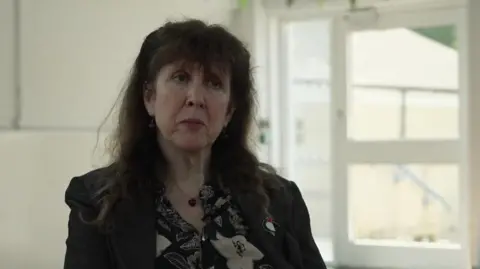
It was to this school that Coyne's theatre group, Vita Nova, brought a play in 2001 all about drug addiction.
The stories from the cast, who were all in recovery for drug and alcohol addiction, so resonated with some of the pupils at the school that one of their teachers came up with an idea.
"Eileen Clews had the inspiration to call us up and say could I make a play with the young men here," Coyne said.
And so began weekly trips for an unlikely troupe from their Dorchester school to the Bournemouth Centre for Community Arts in Boscombe.
"One of the group was an attempted murderer," she recalled.
"They were out there."
Eventually, Stanaway and his friends co-created Til It All Went Wrong - a play about "basically real things that happened in our lives, gangsta rap, shoplifting, fighting, taking drugs".
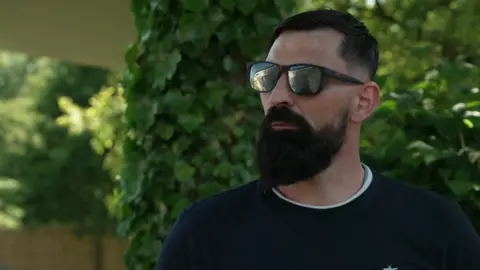
They performed that show in schools from which they'd been excluded, at an international social inclusion conference at the University of Exeter and even a life-changing invitation to a European arts festival in Riga, Latvia.
Stanaway says it was a turning point in his life.
"They were trusting us to go into schools and show them that we're not bad kids, we've just got problems and look what we can do if you just give us that voice.
"I'd never left the country before. The passport that they got for me to go to Riga was the passport to join the army."
Years later Coyne was working on her PhD on social inclusion and wondering what had happened to her boys when Stanaway literally walked through her door.
"I was procrastinating because I really didn't know how to find them, and then I got a phone call from my husband saying 'you're not going to believe this'."
Coyne has now written about the Penwithen story in a book called Theatre of the Lost and Found, and the biggest endorsement of her work comes from another member of the group, David Bishop.
"I was going down a slippery slope," he said.
"I've proved everyone wrong. I've actually taken a straight and sensible path."
