'Croatia, but cheaper': The quirky holiday spots on trend for 2026

 Getty Images
Many can relate to the buzz of stumbling upon a hidden gem.
This year, more people are seeking out "authentic" holiday experiences abroad rather than all-inclusive tourist traps, according to ABTA, the association for British travel agents.
ABTA also says two in five Britons are planning to holiday in a country they've never been to this year.
It comes as war in the Middle East is causing some to switch to European destinations, while warnings of potential jet fuel shortages and the high cost of living are putting others off holidays completely.
So if you're looking for a cost-effective and slightly quirky destination this summer, read on for what's proving popular.
Montenegro
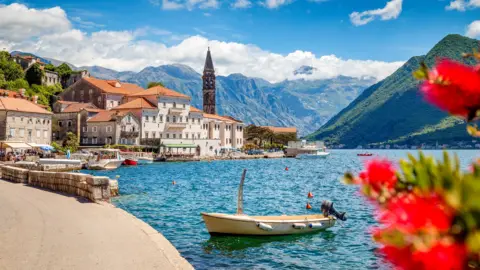
Montenegro is popping up more and more on social media as a hidden travel gem.
The Balkan state is now served by several UK airline routes and is popular among people who want to visit Greece, Italy and Croatia - but don't want to spend a full holiday there.
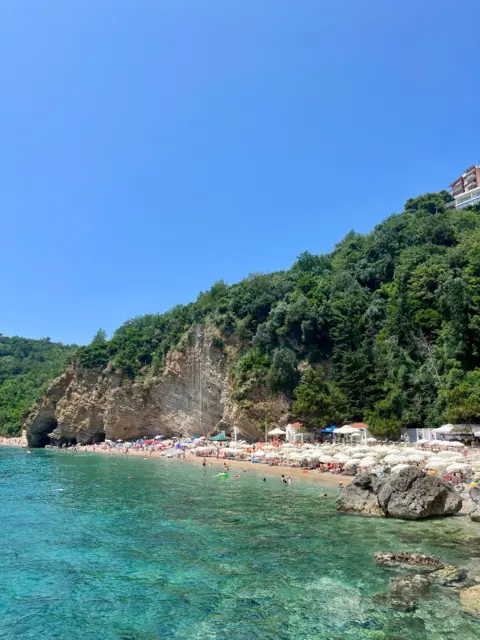
Because Montenegro is small, tourists can combine a beach holiday, city break and outdoor pursuits, explains Jennifer Lynch, managing director of travel agency Arrange My Escape.
"If you are on the beach resort, you can go and do a day trip up into the mountains," she says. "You can do rail tours through Montenegro and you could team it up with Bosnia and Croatia as well."
 Em's Budget Travel
Lynch says it's not a traditional family holiday destination but there are some packages available for adventurous types. She estimates an eight-day family adventure package would cost about £1,825 per person.
Some young people have been finding the country an attractive choice for a holiday and sharing experiences of visiting the country on TikTok.
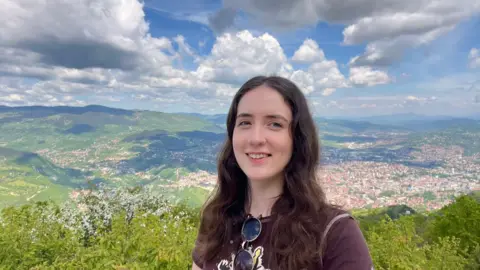
Travel blogger Em says there's value to be had in Montenegro.
"It was basically like Croatia, but cheaper," she says. "Kind of a combination of a city and a beach break.
"It was probably one of the first places I went to that sparked my obsession with travel."
 Em's Budget Travel
The Baltic coast
Estonia, Finland and Lithuania are becoming popular tourist destinations for families, couples and solo travellers.
As with Montenegro, the three countries are easy to travel between – the Finnish capital Helsinki and Estonian capital Tallinn are linked by ferry.
The Baltic Sea offers beach getaways for those who would rather not swelter in Spain or inland. Tallinn's temperature is usually about 21C in July, but the city can be lashed with heavy rain.
History buffs may be drawn to Lithuania, with its five Unesco world heritage sites.
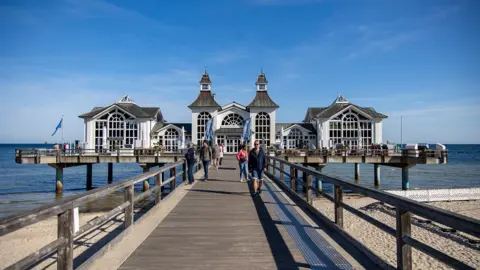
Also tucked away on the Baltic coast is the "German Riviera". Rϋgen, Germany's largest island, is a popular spot for domestic tourists with its chalk cliffs, national parks and unspoiled fishing villages. It's three hours from Berlin by train.
 NurPhoto via Getty Images
Some might be put off by a three-hour train after a flight from the UK, but ABTA's Emma Brennan says growing numbers of people - both young and older - are treating travel as part of their holiday experience.
"As soon as you're on the journey, you're getting to explore places, you're making stops along the way, and so you're getting under the skin of a different part of the destination, rather than just getting there and focusing on one area," she says.
Rügen is an example of more tourists looking for an "authentic experience" of a country, away from the classic cities, she adds.
Steph Jepson from Courtney World Travel says the ongoing war in the Middle East is leading some customers to look to northern Europe to feel safer.
"We've got clients at the moment who are getting really jittery about Cyprus, which is a shame because tourism is their main industry."
She estimates an all-inclusive, seven-night package in Tallinn for a couple in June would cost about £1,800 in total. A family of four would spend about £3,400.
Albania
In Albania, it's easy to make travel part of your holiday.
"You can just fly to Corfu [in Greece], then you can catch a half-hour ferry across to Saranda, which is sort of the entry to the 'Albanian Riviera'," travel blogger Amber Robertson explains.
She's seen a steady rise in the number of people viewing her guide to Albania in recent years.
"You've got really beautiful beaches, good beach clubs, getting that sort of Greece feel - but at a cheaper price.
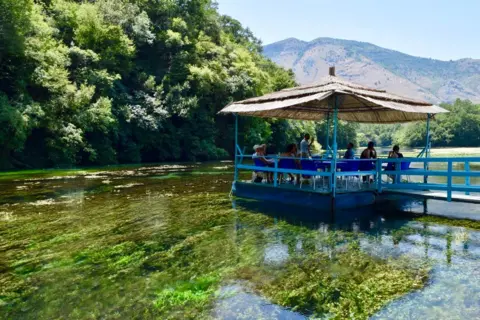 Amber Robertson
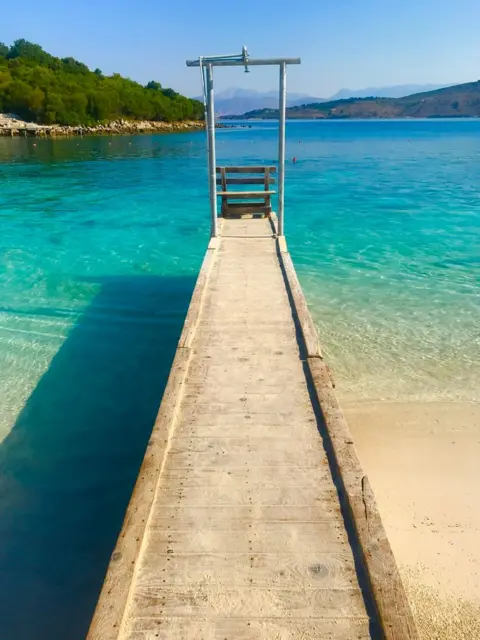 Amber Robertson
"And then there's some really nice history," she says. "Barat and Gjirokastër, these really old beautiful stone towns that have a lot of culture."
Jepson estimates an all-inclusive, seven-night package for a couple in what she's heard referred to as the "Maldives of Europe" would cost about £1,400. A family of four would spend about £2,300.
"One of the big draws, particularly for younger people, has been value," she says, "your money goes quite [a lot] further.
"They've got some really interesting wildlife in Albania, so that's been drawing in either families or people with specialist interests."
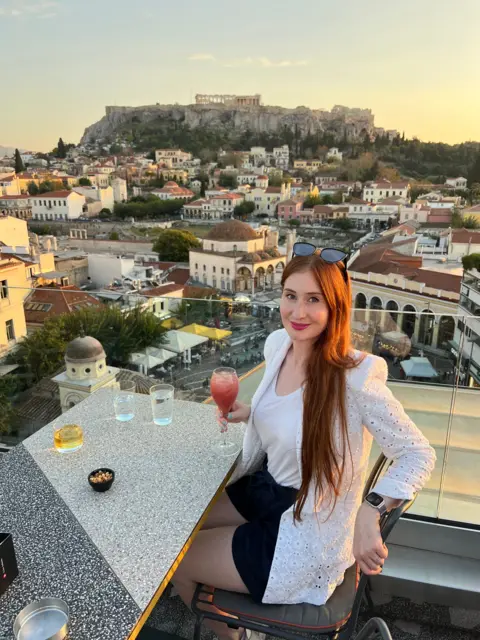 Amber Robertson
Northern Spain
Spain is still the most popular destination for British tourists, according to ABTA, but more are venturing beyond Barcelona or the Costa del Sol.
Brennan says Asturias and La Rioja are on the up, in part because of concerted efforts by the Spanish government to spread tourism across the country.
"I's a very different offering up there. You've still got beaches, but then you've got greenery and mountains and wildlife."
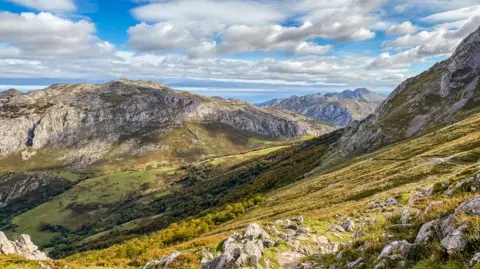 Getty Images
ABTA members have reported more and more holidaymakers are building their itineraries based on particular interests, such as food and wine.
Robertson feels there's nothing wrong with going for the tried-and-tested locations, but parts of Spain are a nice halfway house between being suitable for tourists and a little unconventional for trips.
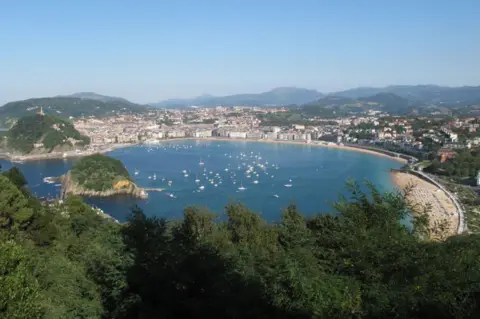
"Places like San Sebastian and Bilbao, they are still touristy to an extent, however, they're going to be far less touristy than Barcelona," she says.
And for those that way inclined, "around San Sebastian there's all these really good cider houses".
 Getty Images