Peak District boss says tax rise could ease pressure

 BBC
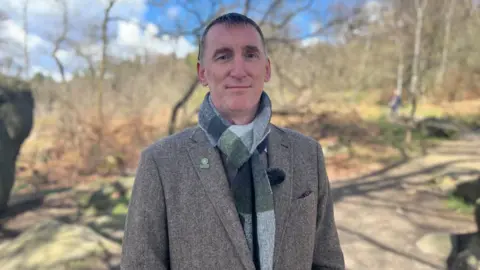
BBCThe leader of the Peak District park authority has said raising taxes to help fund national parks is an "obvious" and "very fair" solution to ease their financial challenges.
It comes ahead of the Peak District and three other national parks celebrating their 75th anniversary this year.
The Peak District was given a multi-year settlement this year, which was welcomed by leaders, but it came off the back of cuts to staff ranger numbers.
"The easiest way to fund national parks is through general taxation", said the chief executive of the Peak District National Park authority, Phil Mulligan.
"Of all the tax someone pays in this country over a whole year, 80p funds all 10 national parks. So you could give us all a 10% increase in our funding and it would cost each taxpayer 8p a year. So that's a very simple, obvious way. The mechanisms are there, it's very fair."
National parks have lost about 40% of their budget in real terms since 2010, according to National Parks England.
The Peak District became the first national park on the 17th April 1951 and welcomes about 14m visitors each year.
In recent years, it has received about £6m in core grant funding each year from the government but also raises funds from charitable bodies and other sources.
Its core grant was cut by around 8% in the last financial year.
A report by the four national parks marking the 75th anniversary later this year, which will be launched in Derbyshire, is expected to call for firmer and more sustainable funding.
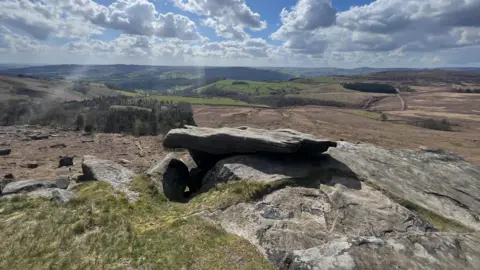
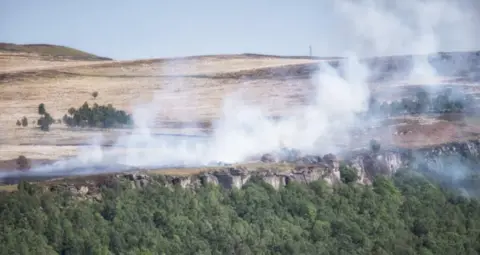
While he feels positive about the future of the park, Mulligan said working to ease pressures like overcrowding, dangerous parking and wildfires against declining funding had been "challenging" when also being asked to deliver more public services.
"Our job is to make everyone aware of how critical we are... national infrastructure, preventing flooding, clean water, climate change. We're providing all of this for the nation," he said.
Although he backs the idea of raising taxes to fund national parks, Mulligan acknowledges it is an unlikely solution in the short term.
"If there's going to be a continued government decline in funding, if we're not going to raise more in taxation, then we need to be creative," he said.
"And I welcome a debate on things such as congestion charging, road pricing, visitor levies and so on."
Mulligan has also raised the idea of an entry fee in the past.
Cuts 'depressing'
Different ways to charge visitors to the park is a live and ongoing debate locally.
Julian Glover, who led a review of national parks for the government and also lives in the Peak District, said he was "shocked" the government had not given parks like the Peak District the resources they need.
He told the BBC national parks now needed to "think radically" about how they raised money.
"It's deeply depressing to see the scale of cuts, the falling of funding year-on-year under different governments that they've suffered", he said.
Glover said at least part of the answer could lie in new charges for vehicles.
"Over time we're going to move to charging cars across the United Kingdom as electric vehicles pay per mile," he said.
"I think as visitors come into national parks, we might need to start thinking... whether some of that mileage payment that goes to the government can go to the park as well.
"It could cut down congestion, get better facilities for visitors, make it a better experience."
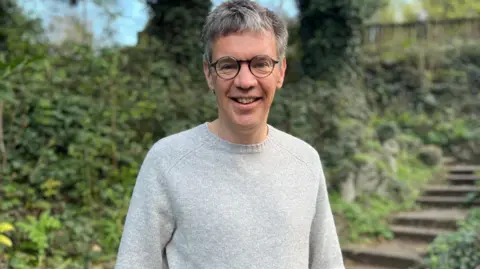
The Reform UK leader of Derbyshire County Council, Alan Graves, has already backed the idea of charging visitors and has suggested the park authority should harness modern technology to implement a form of congestion charge.
"We could put some kind of cameras up - when you enter, you pay £1", he said.
"The initial cost would be expensive but over time it would all be paid for."
Graves said charging £1 for visitors to come to the Peak District was a "reasonable amount of money".
He said he had discussed the idea with park leaders, but acknowledged it would be difficult to implement.
He has encouraged the mayor of the East Midlands to look into the idea given the East Midlands Combined County Authority has just gained new powers over regional transport.
 VILLAGER JIM
However, the Labour mayor Claire Ward does not support the idea of a vehicle charge and says it would only raise a couple of million pounds a year, according to her office's estimates.
Instead, she is backing an overnight visitor levy as a way of helping to boost funding for the Peak District - something Derbyshire's Reform UK leaders oppose.
The government policy is being consulted on and it is currently unclear how exactly it would operate.
However, Ward told the BBC it could work in a similar way the rule now being enforced in Scotland, which allows councils to set their own rates.
In Edinburgh, a 5% payment on the cost of paid overnight accommodation will be charged before VAT on the first five nights' stay from July 2026.
"We do need to think differently about the way in which we encourage tourism", Ward said, adding that some form of levy was commonly used in tourist areas abroad.
"That money is then held locally and used to invest back into making it an even more pleasant, better place for people to come and visit," she said.
"Most people I would say will not be put off coming to the Peak District because of a very small contribution, and what that will do is allow us to make things much more sustainable for the visitor economy here."
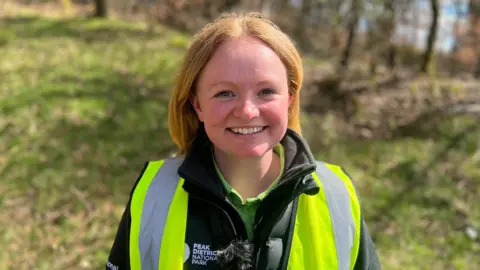
While the debate continues, those at the heart of the park say they are facing the challenges head-on.
Hayden Bridgeman, one of the Peak District's rangers, says the team remains "robust" despite recent cuts to its numbers and picturing a potential future without rangers like her was one of the things keeping the group motivated.
"It's difficult but we're adapting and we're making the best of what we've got," she said.
"We want the park to look how it does now for the next 75 years... we're so passionate about what we do. We want it to still be here."
A Defra spokesperson said: "Our National Parks are a source of great national pride and are playing a vital role in helping to achieve the government's ambition of protecting 30% of our land by 2030.
"That's why we are providing an uplift of £23m to support their work, in addition to up to £400m a year which we are investing in restoring nature across the country."
Listen to BBC Radio Derby on Sounds and follow BBC Derby on Facebook, on X, or on Instagram. Send your story ideas to eastmidsnews@bbc.co.uk or via WhatsApp on 0808 100 2210.
