Rare plant makes comeback from brink of extinction

 Kent Wildlife Trust
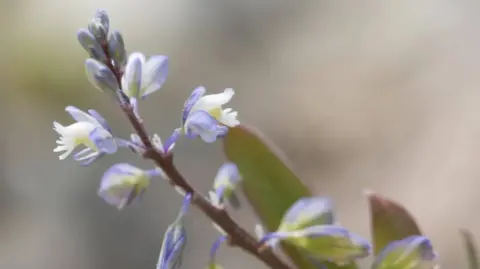
A wildlife trust is celebrating the recovery of a near-extinct plant after recording a seven-fold population increase.
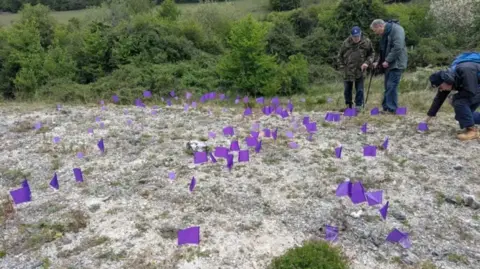
A total of 1,245 self-sown Kentish milkwort plants have been recorded at Queendown Warren, near Sittingbourne in Kent – the largest population of the species in the UK.
The growth is the result of a long-term conservation project led by Kent Wildlife Trust, in partnership with The Species Recovery Trust, Royal Botanic Gardens, Kew and local volunteers, it said.
Area warden Rob Pennington said: "We hope the population will continue to spread in the coming years and eventually become a donor site, allowing us to collect seed for future restoration work at other suitable locations."
 Kent Wildlife Trust
On the verge of extinction, Kentish milkwort became the focus of urgent conservation action in 2013.
The species had previously existed as two separated populations in northern England and Kent, before declining to a handful of plants across three sites in Kent.
To prevent total loss, seeds were collected from the strongest surviving population and cultivated at Kew, establishing a secure seed stock for future restoration without further pressure on wild plants.
Between 2018 and 2019, further seed collections enabled the production of plants for reintroduction, leading to the "incredible" seven-fold increase, Pennington said.
Next steps for the project will focus on maintaining the open conditions the species depends on, including the use of pigs at Queendown Warren to create and sustain areas of disturbed ground.
It will also include further introductions to suitable chalk grassland sites to strengthen and expand the species' long-term future in Kent.
Follow BBC Kent on Facebook, on X, and on Instagram. Send your story ideas to southeasttoday@bbc.co.uk or WhatsApp us on 08081 002250.
