Action on bullying 'might have saved my daughter'

 Family handout
The mother of a teenager who took her own life at a mental health unit says she has been "left wondering" if she would still be alive had concerns about a bullying culture among staff been acted on sooner.
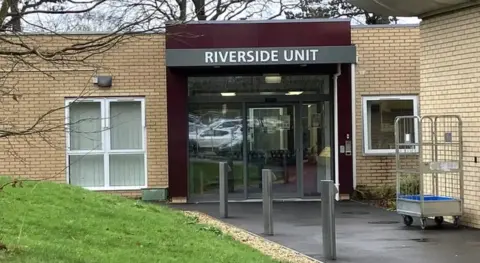
Michelle Curtis' 17-year-old daughter Lucy died in 2024 while she was a patient at Riverside Adolescent Unit in Bristol.
An inquest found failings by the unit "probably contributed" to her death. A separate internal review, reviewed by the coroner but not shared with the jury, has highlighted bullying allegations before and after Lucy died.
Avon and Wiltshire Mental Health Partnership NHS Trust (AWP), which ran the unit, apologised and said it had identified and addressed cultural problems.
If you, or someone you know, has been affected by any issues raised in this story, support and information is available at BBC Action Line.

Lucy died at Southmead Hospital on 1 January 2024 after she was found unresponsive at the Riverside Unit at Blackberry Hill Hospital, on 27 December 2023. The unit closed weeks later.
The inquest into her death found the unit's failures included not adhering to 15-minute check-up intervals and delays in life-saving medical support.
Now, a report obtained by the BBC has found that, while there had been positive work within the service, staff said they had experienced "unprofessional communication" and "bullying" at times.
The report was produced by the South West Provider Collaborative, a partnership of mainly NHS organisations that managed the unit with AWP.
The document looked into the mental health services provided to children at Riverside by AWP and was completed in February 2025.
It outlines a series of allegations made by staff and others, including claims that senior staff showed "a lack of empathy and compassion" and spoke openly and judgmentally about some young people and their families.
The report said staff described hearing young patients being blamed for their behaviour, with comments including that they were "running rings round staff" and "playing up".
Michelle said reading the review had been deeply upsetting.
"What we know from those reviews is that staff were working in very difficult conditions," she said.
"That leaves us wondering whether, if those concerns had been listened to more, whether more could have been done to address those concerns and prevent, ultimately, staff being put in an impossible situation and the tragic outcome for Lucy."
Asked specifically about the allegations of bullying at Riverside, she said the family's feelings had been compounded by one allegation raised in the report after Lucy's death involving a threat of nurses losing their registration, or PIN.
'Idiots upstairs'
"As a family at that point in time, we were really angry, we were really upset. We were, I guess, at the lowest ebb of our life.
"But we were trying to work with the trust to understand what had happened, to not point any fingers of blame.
"To feel or read that there was blame pointed within is just completely heartbreaking and it doesn't feel OK for us, it doesn't feel OK for Lucy or indeed for the staff involved," she added.
Lucy's family said the findings strengthened their concerns that staff working directly with vulnerable young people may not have received the support they needed.
The review also found nursing staff had been referred to by a member of the leadership team as "idiots upstairs".
It said some staff alleged that colleagues had been told they had "issues of their own" and were asked whether they were autistic.
The report went on to link cultural concerns to patient care, stating that feedback from young people described "a lack of compassion in care", "overtly restrictive interventions" and occasions when distressed patients were left without comfort or support.
Review authors said there should be consideration of ongoing external supervision for both the wider team and senior leaders.
It also recommended that AWP carry out a further investigation into the alleged bullying culture and develop an action plan, with oversight from the South West Provider Collaborative.
While the review was not commissioned as part of the inquest and its findings were not examined by the coroner, the Curtis family said the issues it raised deserved wider scrutiny.
AWP said there were "instances where conduct and behaviours at Riverside fell below the standards" expected and apologised for "any occasion where those standards were not met".
"Everyone in our care, and everyone who works with us, has the right to be treated with dignity and respect.
"Such conduct is unacceptable and does not reflect the values upheld by the majority of our staff," it added.
It said a number of measures had been identified, which had either been addressed already or "will be central to the design" of its planned replacement service, a purpose-built inpatient specialist centre.
The measures include a comprehensive leadership and management development programme and work to strengthen patient and carer decision-making.
The area currently has no local Tier 4 Child and Adolescent Mental Health Services beds after the closure of both Riverside and Wessex House.
Tier 4 is the highest level of service, relating to specialised day and inpatient units, where young people with more severe mental health problems can be assessed and treated.
Looking ahead to a replacement facility, Dr Michelle Cox, the clinical director for adolescent services at AWP, said lessons from Riverside would influence its design, with input from young people and a focus on meeting national service standards.
Follow BBC Bristol on Facebook, X and Instagram. Send your story ideas to us on email or via WhatsApp on 0800 313 4630.
