Zoo relocates bats to 'fantastic' new homes

 Jersey Zoo
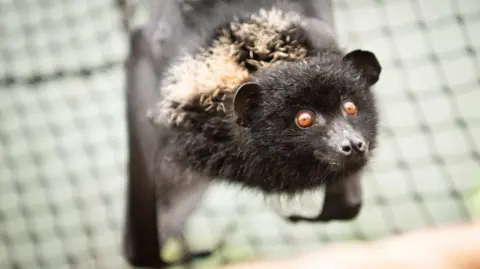
Jersey Zoo has announced it has found homes for its Livingstone's fruit bats.
In October last year the owner of the zoo, Durrell Wildlife Conservation Trust, said it was looking for new homes for its colony of bats after weighing up the benefits of repairing its bat tunnel.
The trust said the new homes for the bats included existing holders BioTropica in France and Pairi Daiza in Belgium, as well as new holders across Europe.
It said some of the bats left late last year and all was going well. The majority of the remaining bats will be on their way to their new homes in June, with the rest following later in the year.
The trust said: "Once complete we will have successfully exported 72 Livingstone's fruit bats since October 2025."
It said the chosen holders offered "incredible facilities".
The trust added: "Although we are sad to say goodbye to this species at Jersey Zoo, we genuinely believe they are going to fantastic new homes and can't wait to hear about their continued breeding success."
Data on the mammals was gathered and analysed, and the trust found nine bats with various issues that would make their transfer to other zoos "inappropriate".
This included bats with chronic health issues or older animals that were at or near the end of their lifespan.
"Following detailed and thorough discussions with the keeper team that look after them, the European breeding programme co-ordinator, as well as our vet team, we made the difficult decision to put these nine to sleep on medical, welfare and ethical grounds," the trust said.
'First in the world'
The trust added earlier this year it started its second phase of the Pasteurella multocida vaccine roll out for the Livingstone's fruit bats at Jersey Zoo.
It followed the same approach as the first dose, which involved a daily health and welfare assessment, and the roll out was not complete.
"Due to the swift action from our team and by working with leading scientists to develop the vaccine for this species, the fruit bats in our care are the first in the world to be vaccinated against this disease," it said.
Follow BBC Jersey on X and Facebook. Send your story ideas to channel.islands@bbc.co.uk.
