Final homes get mains electricity in remote valley

 BBC
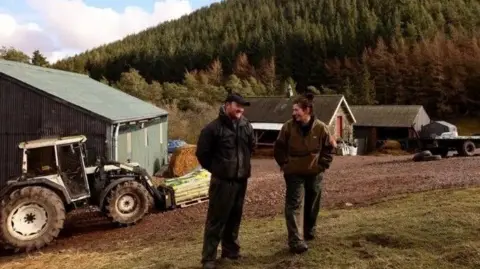
BBCA £2.6m project to connect properties in one of England's most remote valleys to mains electricity has been completed.
People living in the Upper Coquet valley were, until 2025, among up to 500 off-grid households in Northumberland.
But, after a long campaign by residents, the Ministry of Defence (MoD) and Home Office agreed to pay for its remote properties to be connected as part of a scheme to get power to three emergency telecommunications masts.
Laura Day from Carlcroft Farm, one of the last properties to get mains power, said: "It is just so good say goodbye to flickering lights and be able to put on more than one appliance at the same time."
Laura and her husband Mark moved to Upper Coquetdale from Norfolk and have 1,600 sheep and three children aged two, 11 and 15.
"My son can play on his Xbox with his friends and now is not interrupted when the power goes off," she said.
"But it's so quiet, it takes a bit of adjusting too, we're so used to the sound of the generator."
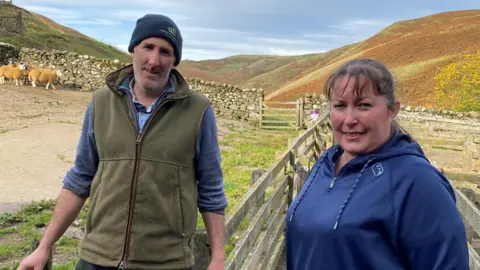
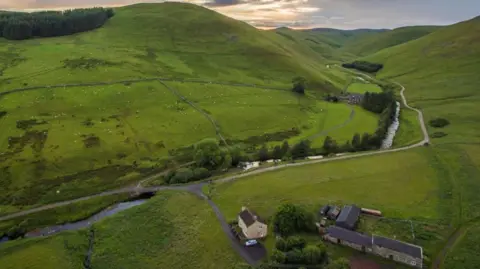
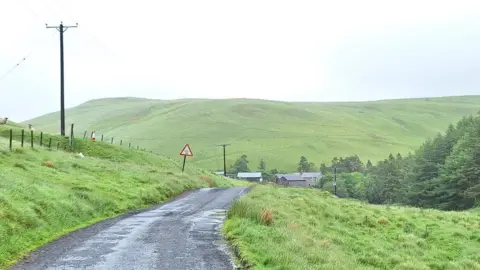
Sam Wood is one of the 48 people living in the farms and cottages dotted along a single track road winding into the Cheviot Hills, straddling the border between England and Scotland.
She has campaigned for a decade to get mains power to an off-grid community she described as "on the edge of society".
"It is so great not to have to worry any more, to know the generator is silent and not polluting," she said.
"It was a long journey but we got there in the end."
Christine Nicholls, from the charity Community Action Northumberland which campaigns on behalf of those who live off grid, said she was "delighted" to see them get mains electricity.
"But it's important to remember there are hundreds of other people in Northumberland who are still living in off-grid homes powered by expensive dirty generators who would also love to have mains electricity," she said.
 Laura Day
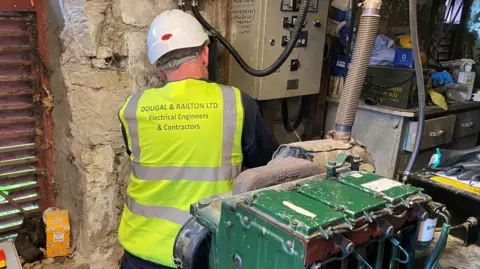
The work was carried out by energy company Northern Powergrid.
In a statement it said it was "proud" to play a part in the project.
"This is a significant achievement and a true collaboration, made possible through funding from the Home Office and Ministry of Defence, as well as the efforts of local residents, campaigners, contractors, local authorities and delivery partners working together," it said.
